services lines:

(604) 322 47 09
+57 314 618 6195
+57 318 046 0282

ventas@conalsol.com

Carrera 42 # 30 – 36 Itagüí, Antioquia.

Pure Non-Ferrous Metals

Antimony

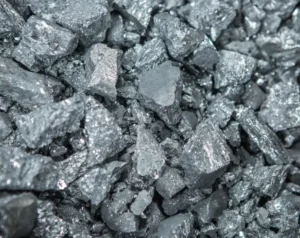
Chemical element with atomic number 51. Brittle, bluish-white metal with a metallic luster. Lower electrical conductivity in the solid state than in the liquid state. Stable in air at room temperature.

It adds hardness and strength to alloys
Air stable at room temperature
Blue-white metallic sheen
Ideal for lead-free soldering

Presentaciones disponibles

25 kg ingots Granulated

Response within 24 business hours

What is antimony?

Antimony is a chemical element with atomic number 51. It is a brittle, bluish-white metal with a metallic luster. It has a flaky appearance and lower electrical conductivity in its solid state than in its liquid state.

It is stable in air at room temperature, but when heated it emits white fumes, Sb₂O₃. It is commonly found in minerals along with copper, silver, and lead.

Relevant technical properties

Alloy hardener
It provides greater hardness and resistance to lead and other metals
Thermal stability
Air stable at room temperature
Metallic shine
White-blue scaly appearance with a characteristic sheen
Use in welding
Tin-antimony solder base for food contact

Frequent applications

Available in ingots and granules for multiple applications.
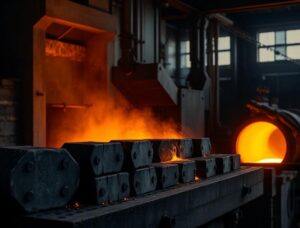
Lead alloys for increased hardness
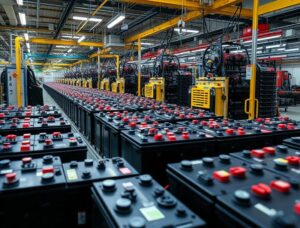
Accumulators and cable sheathing
Do you need antimony to harden your alloys?
Our engineering team will advise you without obligation.
Contact an expert

Available formats

Presentations adapted to each production process and volume of operation.
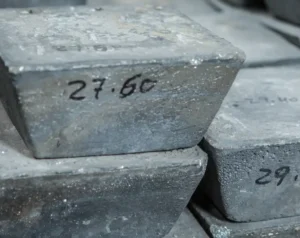
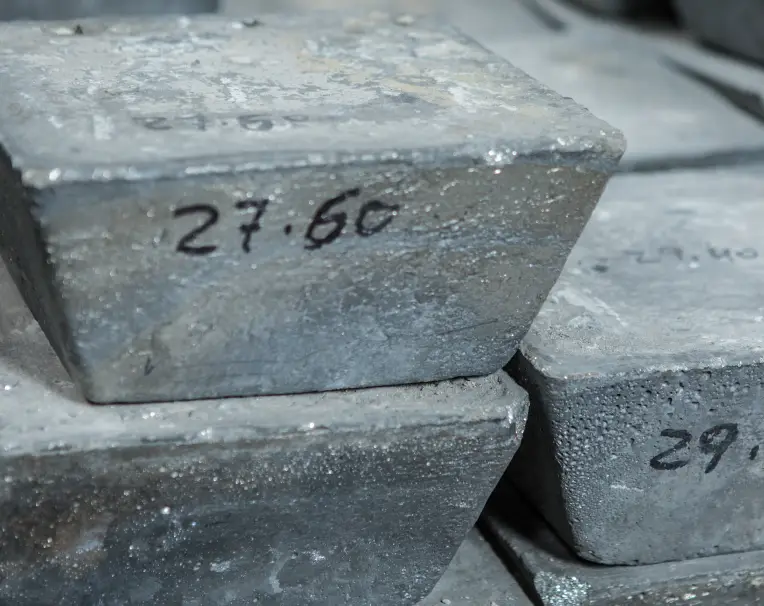
Ingots (25 kg)
Ingots (25 kg)
Standard presentation for castings and alloys
Granulated
Granulated
Format for precise dosing in alloying processes

Criteria for choosing the right product

Type of alloy to be manufactured
Antimony ratio required
Preferred format (ingot or granules)
Applicable safety regulations
Conditions of the merger process
We advise on the correct dosage of antimony for your alloy.
The percentage of antimony directly impacts the final hardness and strength. We help you determine the optimal ratio.
Request advice

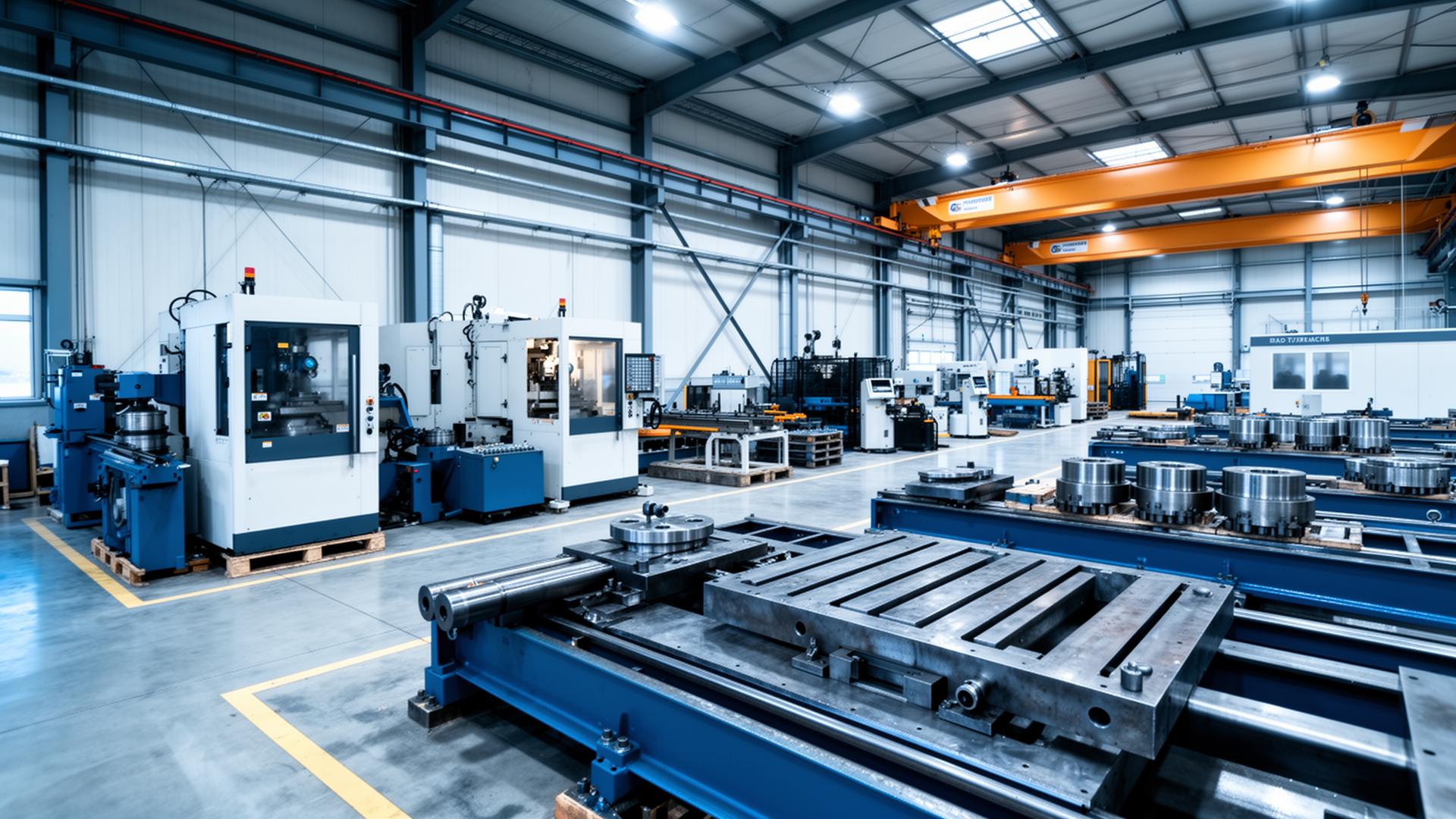
Engineering applied to the process

Welding is part of the electrical and thermal performance of the complete system.

When the alloy is aligned with the production process, repeatability is improved, thermal control is optimized, and operational variability is reduced.

Certified quality
Over 30 years of experience
Technical advice included
Technical specifications available

Frequently Asked Technical Questions

Antimony is mainly added to lead to increase its hardness and mechanical strength, used in batteries, bearings and coatings.

Yes, tin-antimony solders are ideal for products in contact with human consumption, as they do not contain lead.

25 kg ingots and granules for precise dosing in alloying processes.

Do you need specifications for your process?

We support the selection of alloys according to technical requirements and actual application.

No obligation · Response within 24 business hours