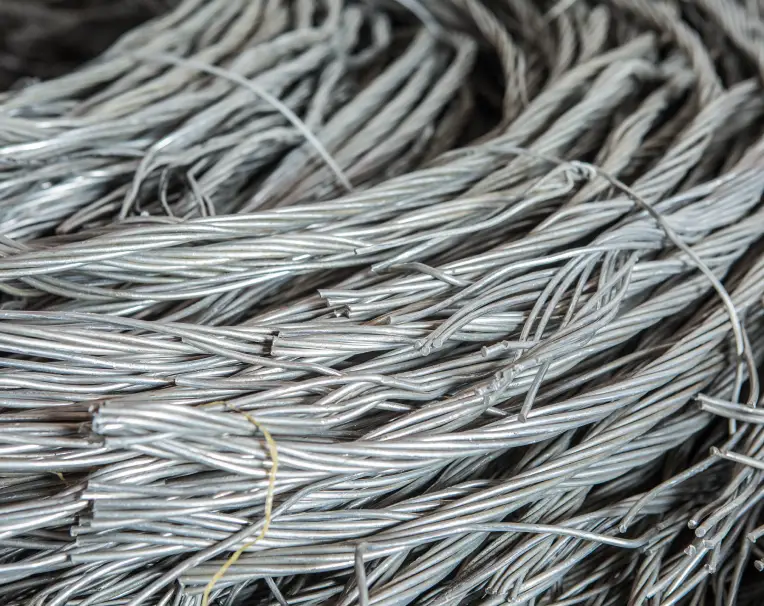
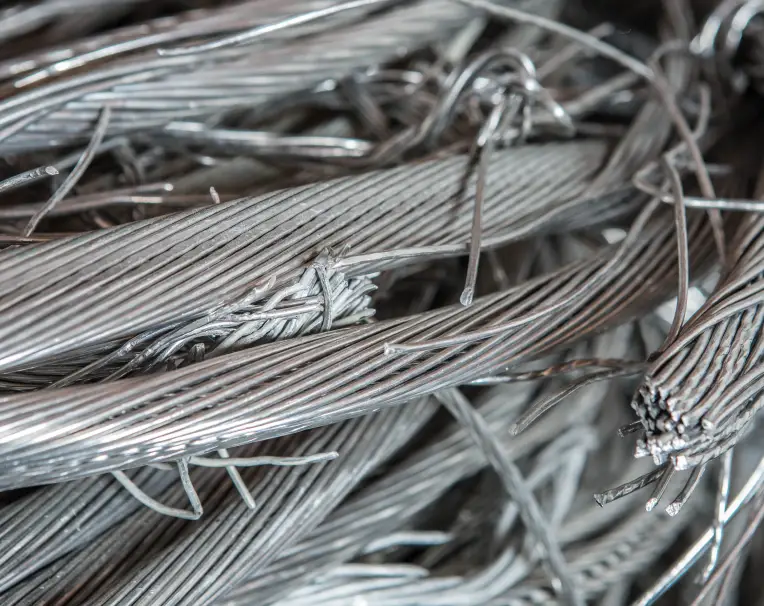
Non-ferrous metals offer high conductivity, corrosion resistance, and malleability. They are used in multiple industries, including aerospace, automotive, and construction.
Tin
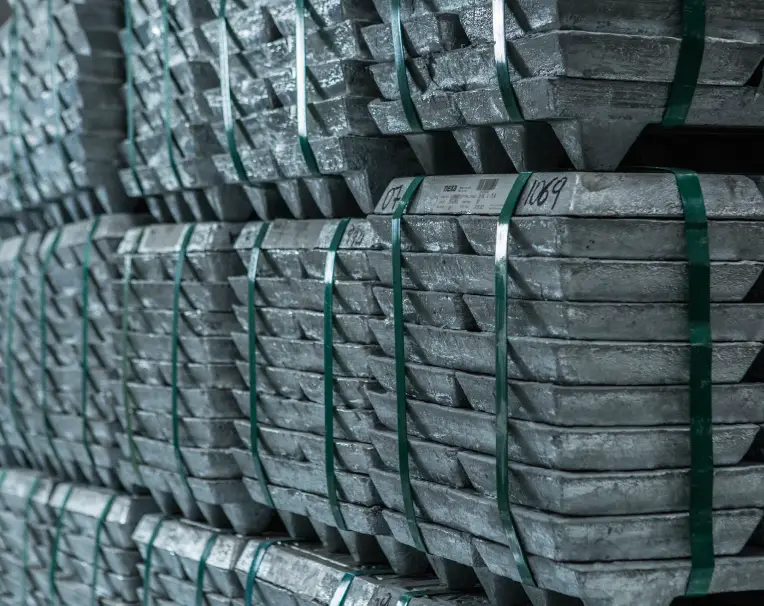
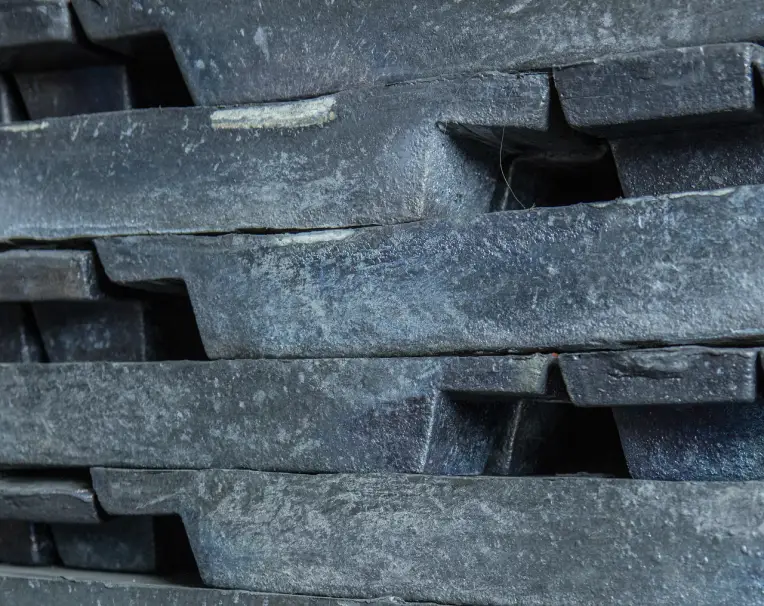
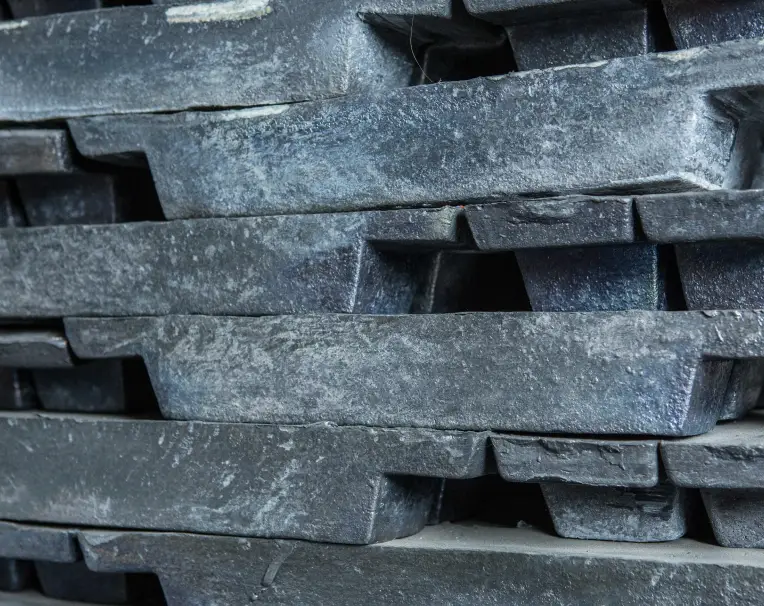
A silvery-yellow, non-ferrous metal, malleable and resistant to corrosion, friction, and acids. It is an excellent electrical conductor, hypoallergenic, and hygienic, making it ideal for parts that come into direct contact with skin. It has a low melting point, high fluidity when molten, and a high boiling point. It is widely used in the manufacture of alloys, soft solders, protective coatings on steel, and in the electroplating, ceramics, plastics, and agricultural industries.
A silvery-yellow, non-ferrous metal, malleable and resistant to corrosion, friction, and acids. It is an excellent electrical conductor, hypoallergenic, and hygienic, making it ideal for parts that come into direct contact with skin. It has a low melting point, high fluidity when molten, and a high boiling point. It is widely used in the manufacture of alloys, soft solders, protective coatings on steel, and in the electroplating, ceramics, plastics, and agricultural industries.
References:
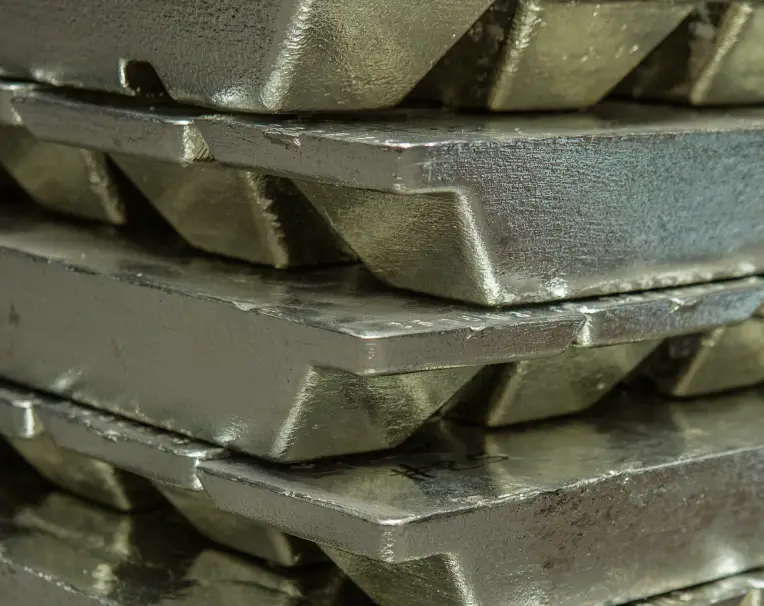
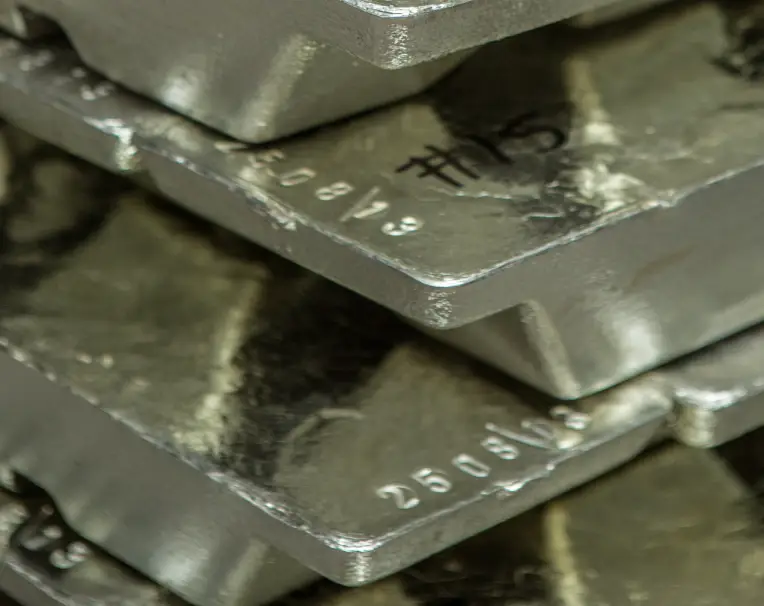
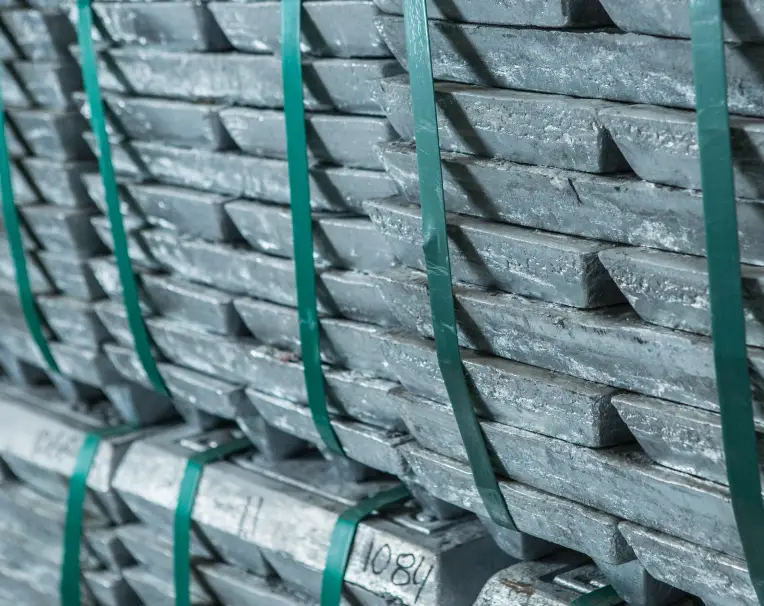
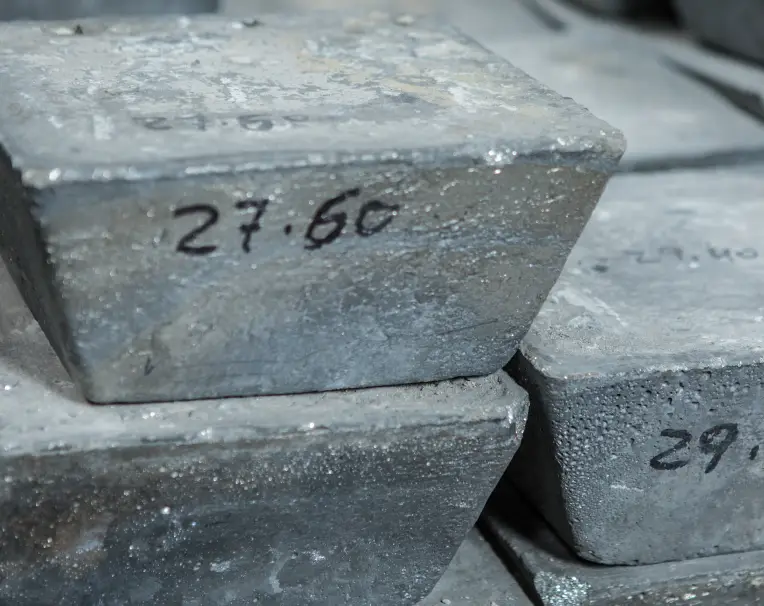
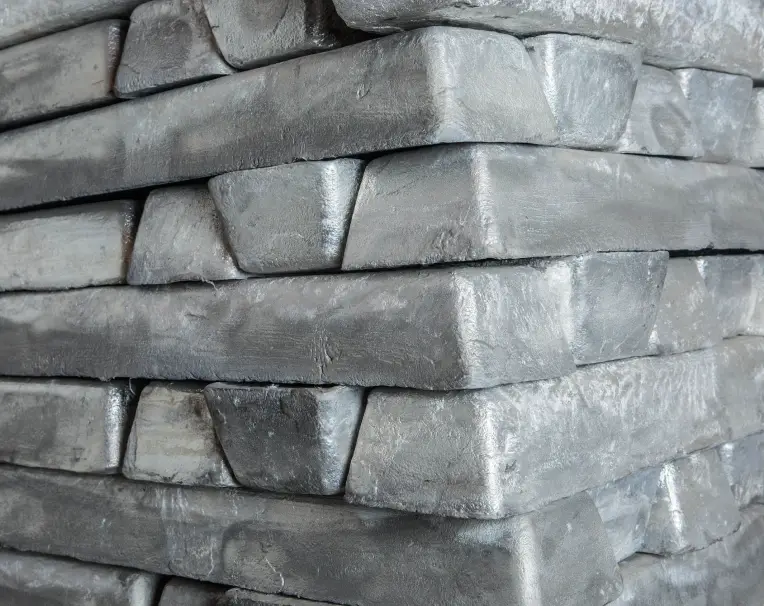
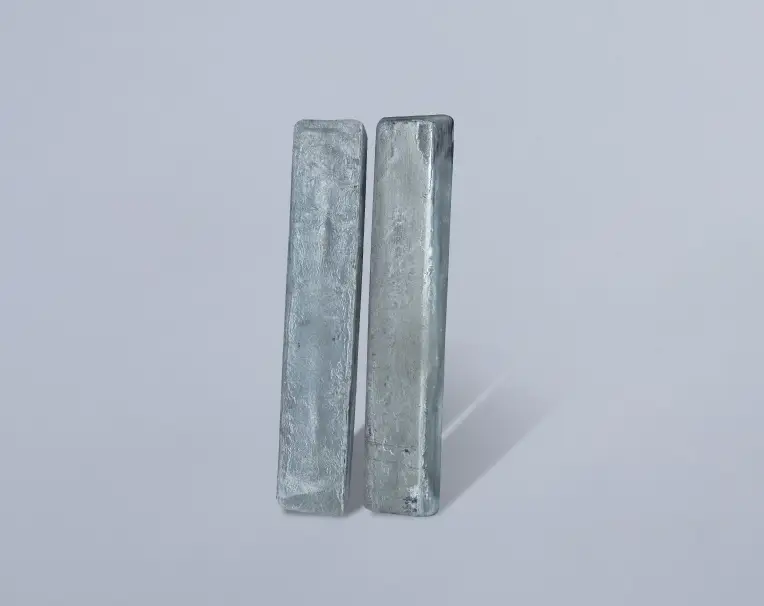
25 kg ingots.
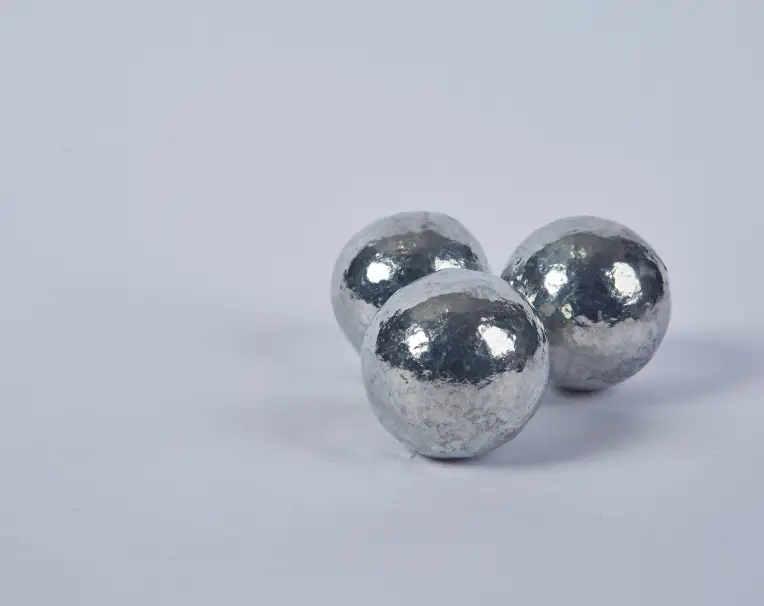
50mm spheres.
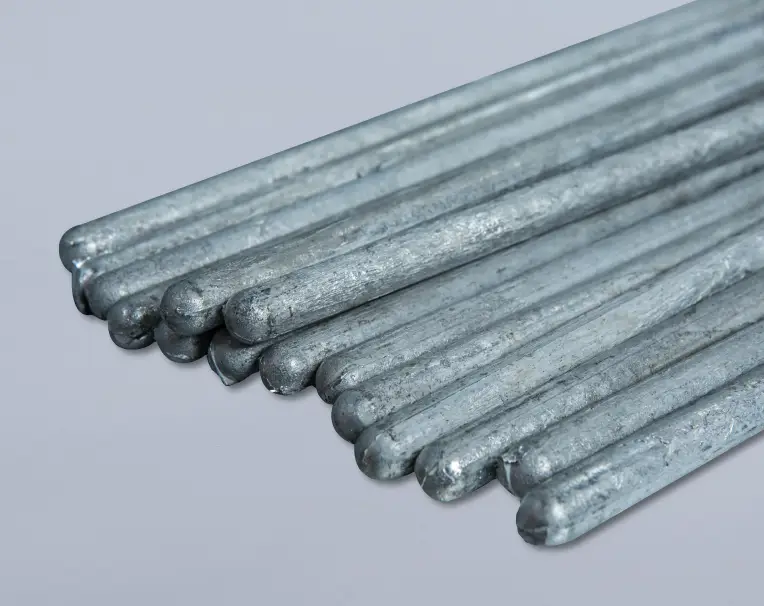
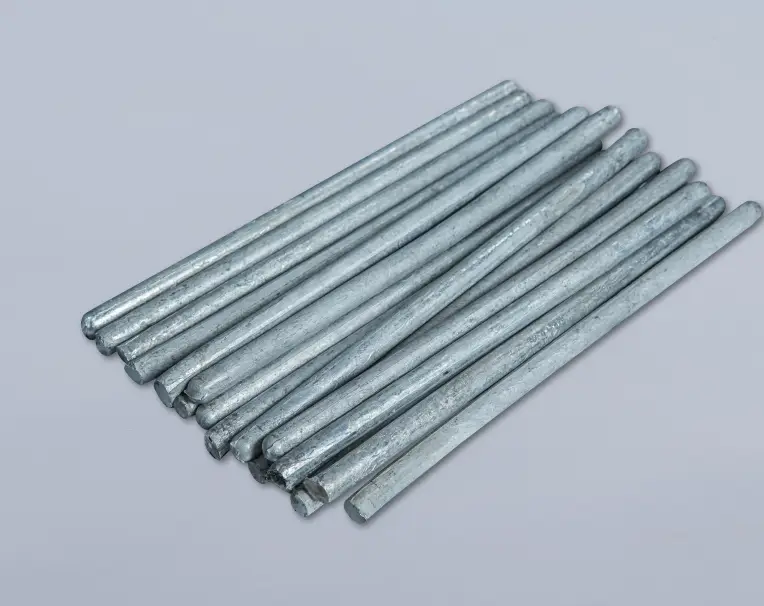
1 lb. bars.
Custom-made anodes with and without copper hook.
Main applications:
• Galvanizing steel for corrosion protection. • Electroplating. • Alloys such as zamac, brass, cupronickel-zinc, aluzinc, tombac, among others. • Sacrificial anodes, cathodic protection in ships, tanks, etc. • Die casting, automotive, jewelry. • Precious metallurgy. • Manufacturing of sheets and batteries for laptops.
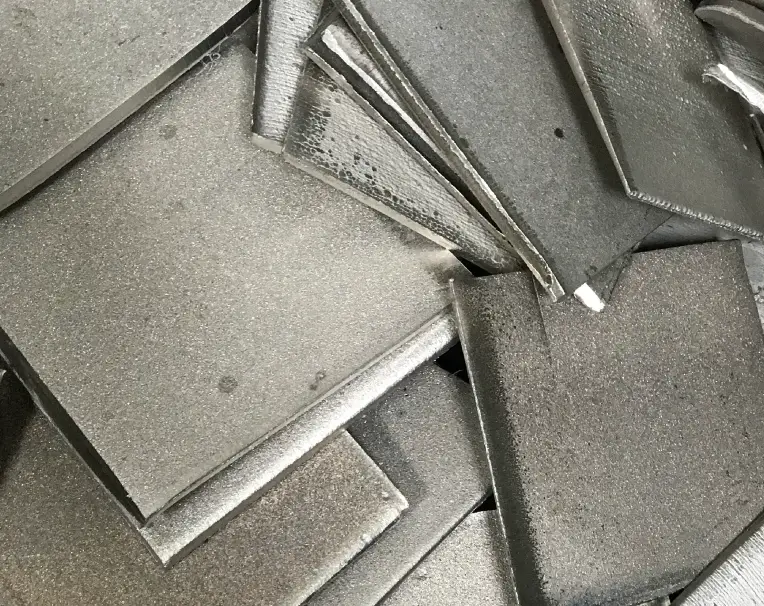
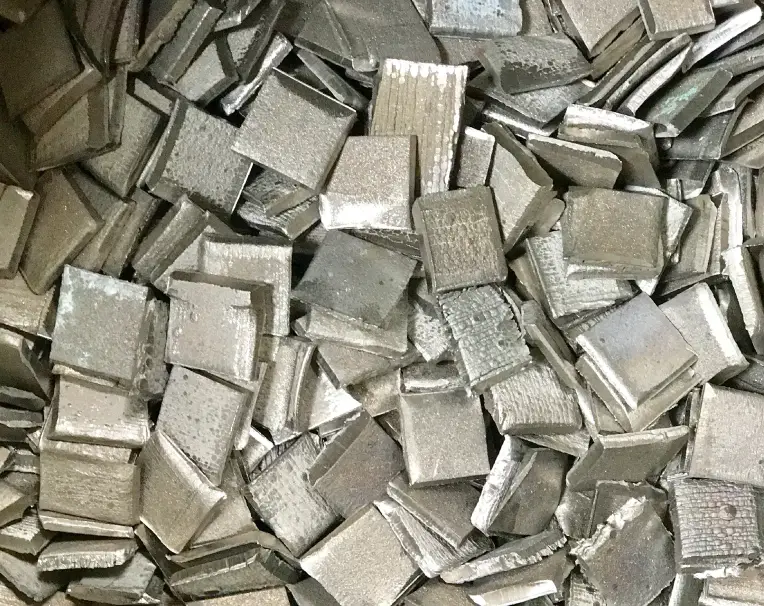
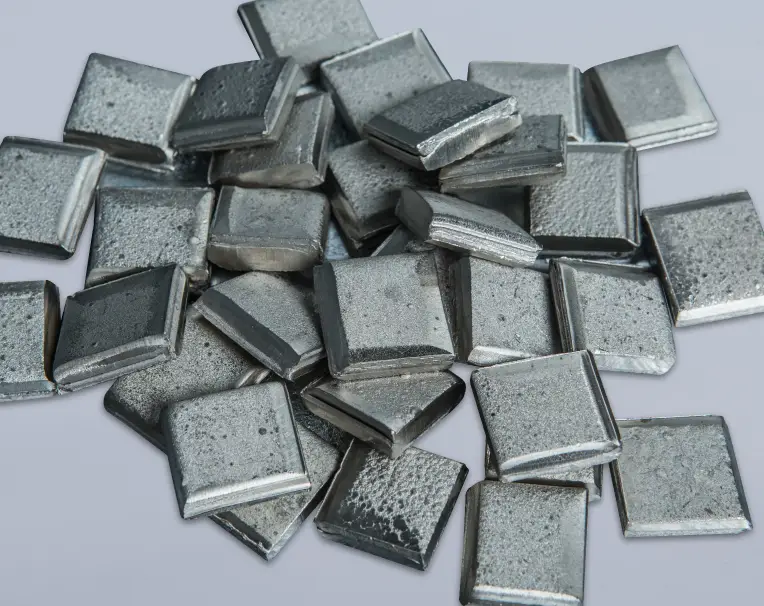
A silvery-white, non-ferrous metal. It is a highly conductive material of heat and electricity, ductile, malleable, and easy to roll, polish, and forge. It is corrosion-resistant and ferromagnetic at room temperature.
References:
Briquetas cuadradas de 1”x 1” y 4”x 4”.
Main uses:
Bright metallic coatings by electroplating.
Stainless steel manufacturing.
Nickel alloys and other applications such as batteries, catalysis, coin minting and smelting.
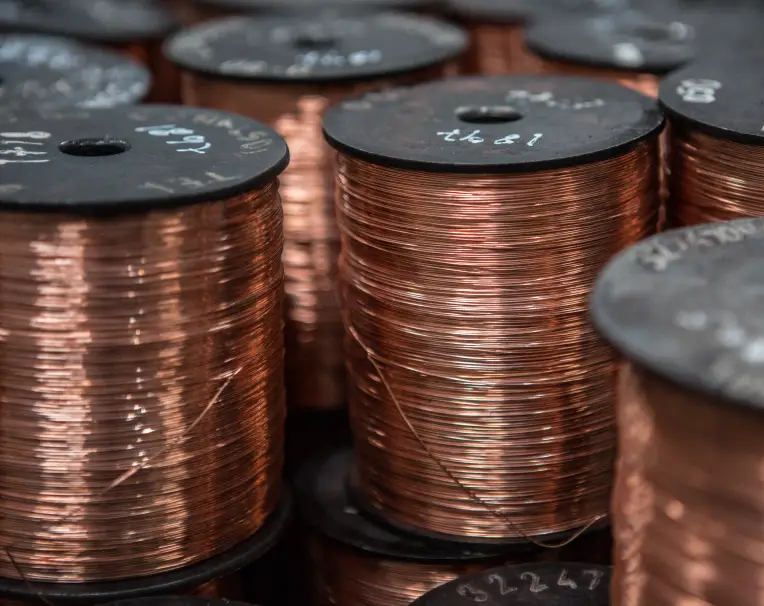
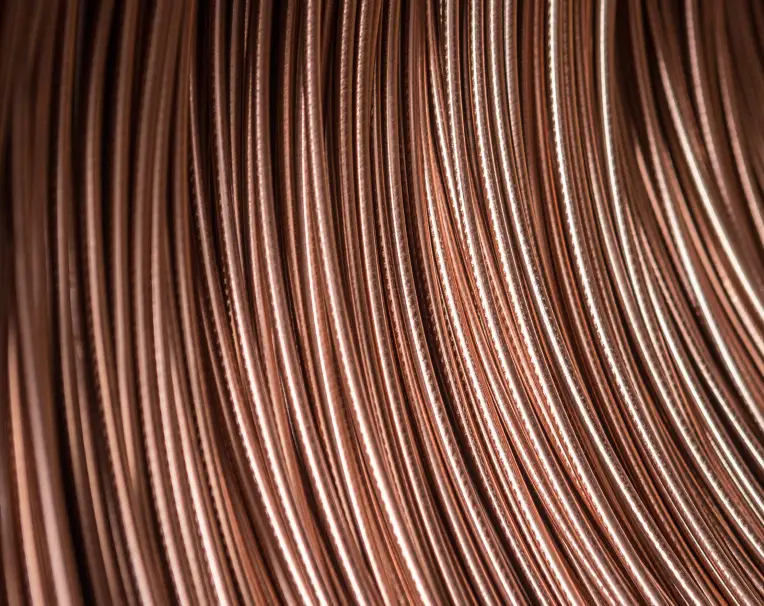
A heavy, non-magnetic, bright reddish-colored non-ferrous metal with high thermal and electrical conductivity. It is moderately hard, very tough, ductile, and wear-resistant. Its boiling point is 2595 °C.
Thanks to its excellent conductivity and malleability, it is the most widely used metal in electrical cables and electronic components. It is highly recyclable without losing its properties, making it the third most used metal worldwide, after iron and aluminum.
Presentation:
8 mm wire rod.
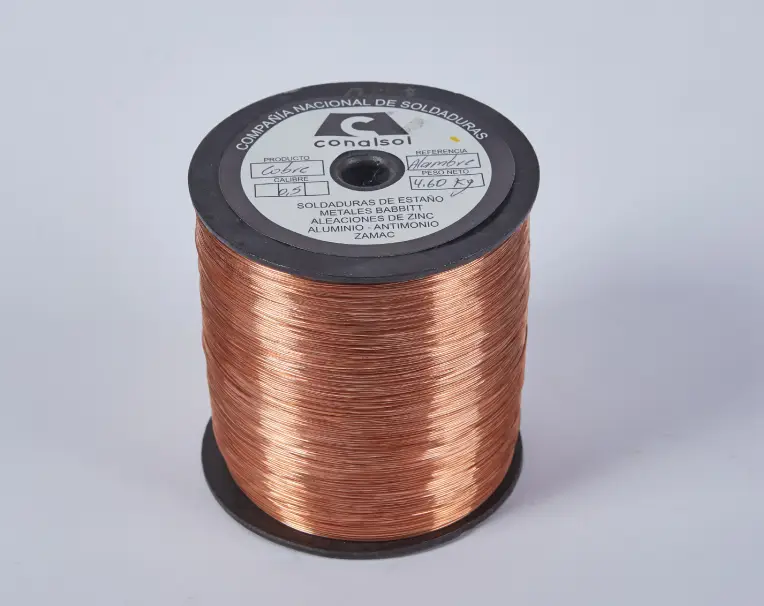
Wire of 0.4 / 0.5 / 0.7 / 1 mm.
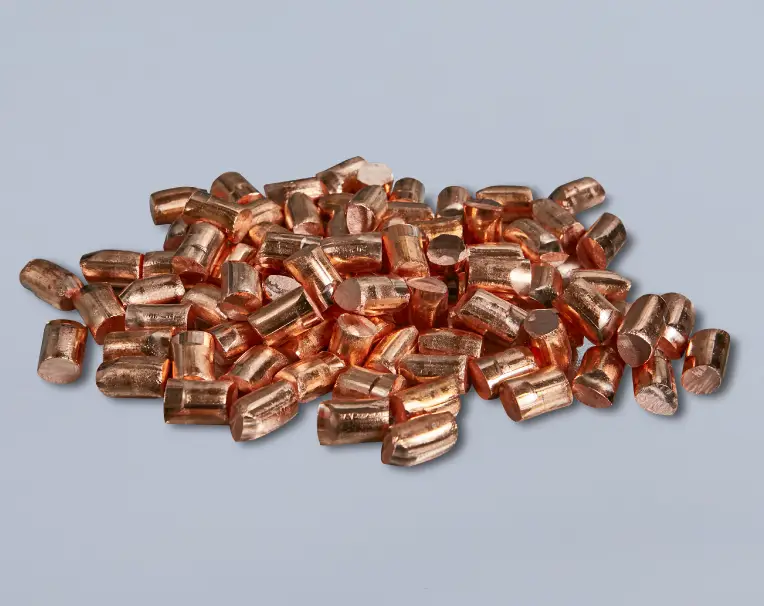
Pure copper or phosphorus copper nuggets or mini-cylinders.
A non-ferrous metal with a dark gray appearance, it is malleable, inelastic, and melts easily at 327.4 °C. It is resistant to certain acids and forms numerous chemical compounds. It is primarily used in alloys with tin, antimony, copper, and other metals, and has significant industrial applications.
Presentation:
20 kg ingots.
4 kg cubes.
4mm and 6mm round wire .
Anodes with and without hook from 50 cm to 100 cm.
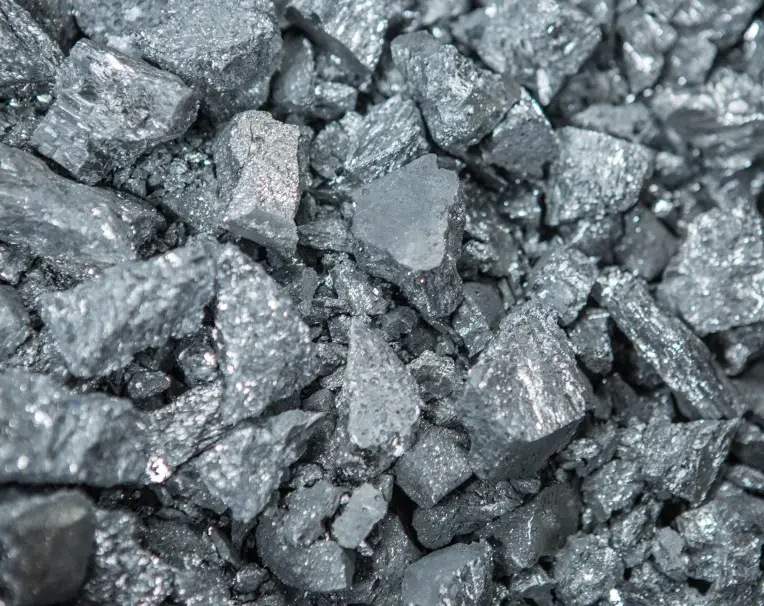
Sb₂O₃ is a chemical element with atomic number 51. It is a brittle, bluish-white metal with a metallic luster. It has a flaky appearance and lower electrical conductivity in its solid state than in its liquid state. It is stable in air at room temperature, but when heated, it emits white fumes. It is commonly found in minerals along with copper, silver, and lead.
Presentation:
25 kg ingots.
Granulated.
Main applications:
• Alloys with lead for greater hardness and strength.
• Batteries and cable sheathing.
• Anti-friction bearings.
• Tin-antimony solders, ideal for products in contact with human consumption.
Chemical element with atomic number 12. It is not found in its free state in nature, but rather as oxides and salts. It is a lightweight, silvery-white metal, moderately strong, and protected by an oxide layer that makes it resistant to surface corrosion.
Presentation:
7 kg ingots.
Main applications:
• Aluminum alloys for packaging and automotive parts.
• Refractory material in furnaces for steel, non-ferrous metals, cement and glass.
• Reducing agent in the production of metals such as uranium.
Zinc is a chemical element with atomic number 48. It is a heavy, soft, bluish-white, non-ferrous metal. It is not found in its pure form in nature, but rather associated with zinc, lead, and copper ores. It is obtained as a byproduct of zinc smelting. Melting point: 320.9 °C. Boiling point: 765 °C.
Aluminum is a non-ferrous metal characterized by its lightness, silvery color, low density, malleability, and ductility, making it ideal for industrial processing. Furthermore, aluminum is notable for its high corrosion resistance, thanks to the natural formation of a thin oxide layer that acts as a protective barrier against external agents. This property makes it ideal for applications in humid or outdoor environments.
Its relatively low melting point (660 °C) facilitates its smelting and recycling, contributing to sustainable and efficient processes.