 1 / 4
1 / 4
Antifriction Alloys
A tin- or lead-based metal alloy used as an antifriction material in bearings. It is applied as a surface coating on steel or bronze structures to reduce friction between moving parts.
Presentaciones disponibles
Response within 24 business hours
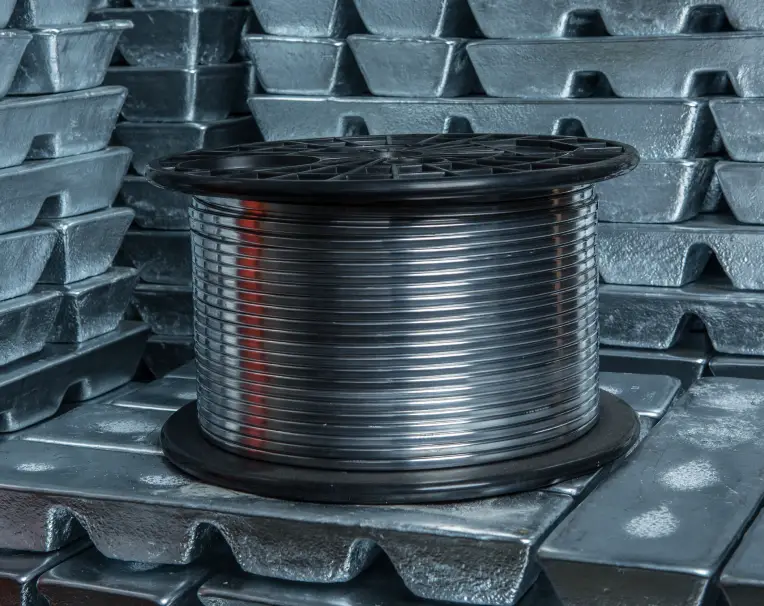
Babbitt is a metal alloy, typically tin or lead-based, used as an antifriction material in bearings.
It is applied as a thin surface layer over a steel or bronze structure, providing a smooth contact surface to reduce friction between moving parts.
It can be applied by casting, centrifuging or welding, adapting to the requirements of each industrial equipment.
| Alloy | Melting point | Typical application |
|---|---|---|
| Low Babbitt (B6–B10) | Variable | Light load bearings, grade 7 to 15 |
| Babbitt media (B55) | Variable | Medium load bearings |
| High Babbitt (B80, B90) | Variable | High load bearings, grade 1 to 11 |
| Babbitt wire (ASTM grade 2) | Variable | On-site repair, sizes 1/16 to 5/32 |
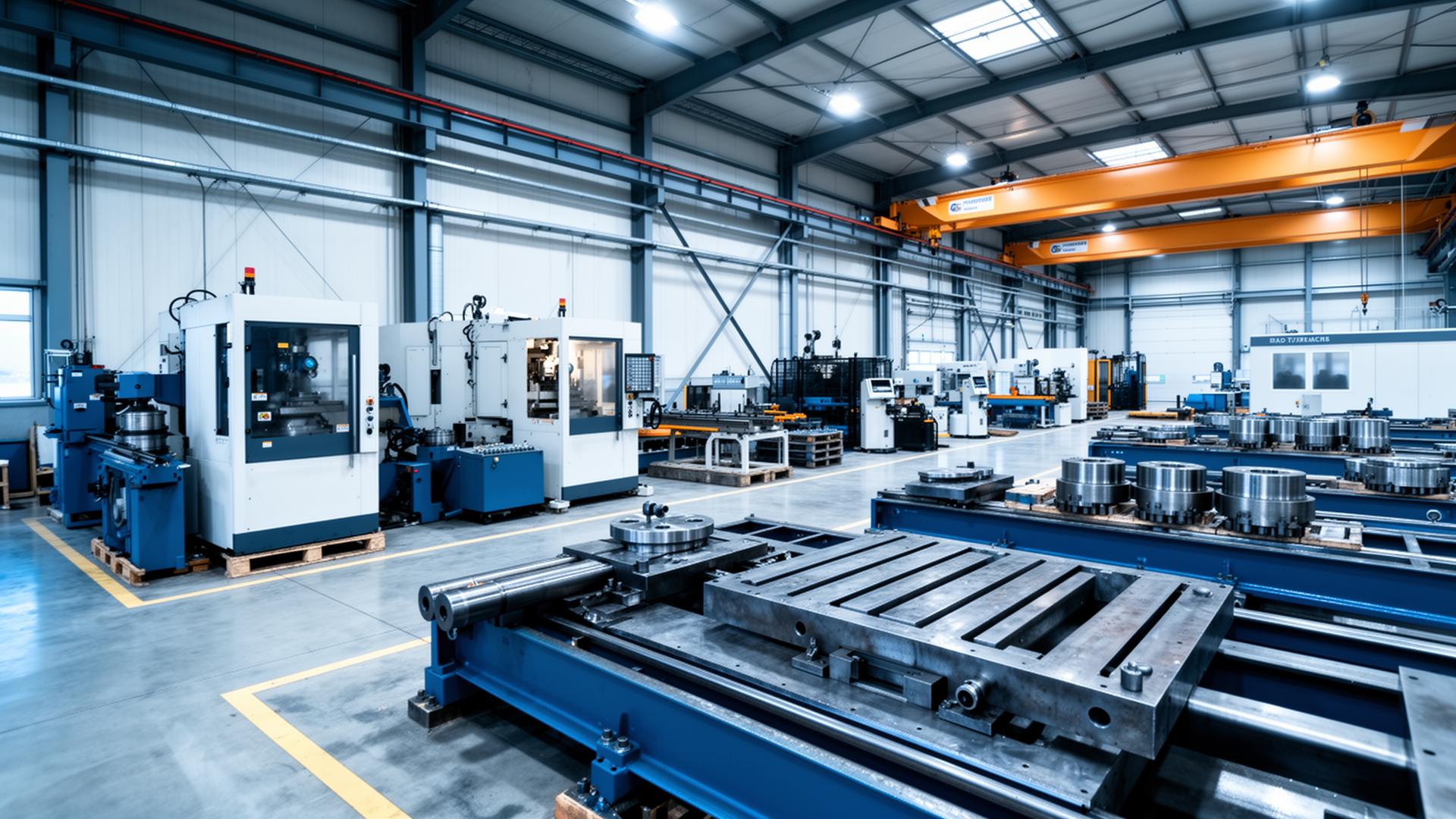
Its use is common in sectors such as cement, steel, chemical and petroleum.
Antifriction alloys for bearings in heavy industries.
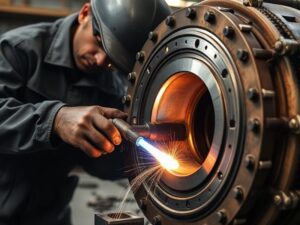
Presentations adapted to each production process and volume of operation.
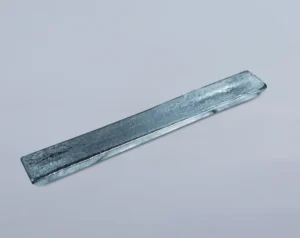
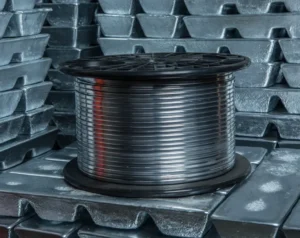
Check availability for specific grades and industrial volumes.
Welding is part of the electrical and thermal performance of the complete system.
When the alloy is aligned with the production process, repeatability is improved, thermal control is optimized, and operational variability is reduced.
It can be applied by direct casting onto the substrate, centrifugal casting for uniform layers, or welding for on-site repairs. The method depends on the type of equipment and maintenance conditions.
This refers to the tin content. High-grade Babbitt (B80, B90) has a higher tin content and can withstand higher loads. Low-grade Babbitt (B6–B10) is more economical for lighter loads.
It is common in the cement, steel, chemical, petroleum industries and in general in any sector with heavy rotating machinery that requires antifriction bearings.
Babbitt wire (ASTM grade 2) is used for on-site bearing repairs by welding, without the need to completely disassemble the equipment.
We support the selection of alloys according to technical requirements and actual application.
No obligation · Response within 24 business hours