
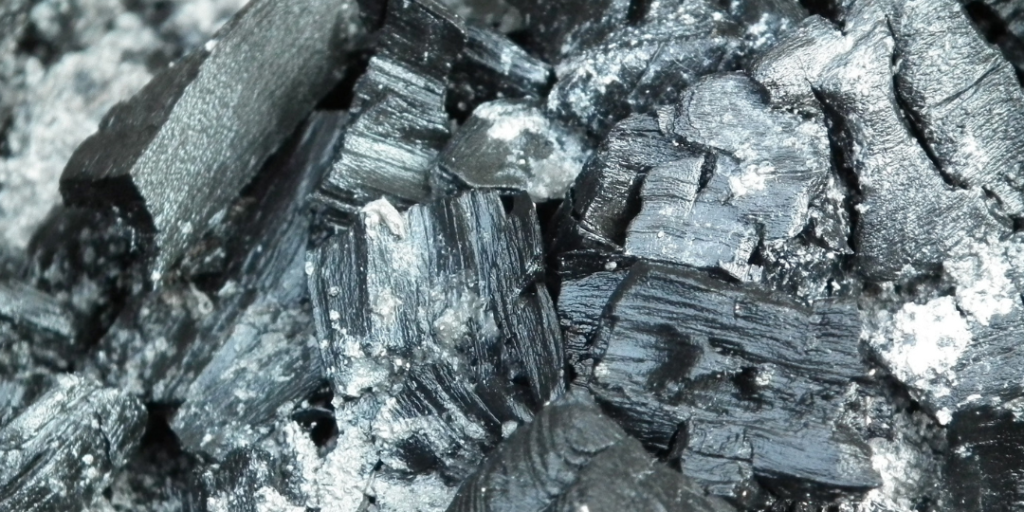
Pure antimony: its role in solders, Babbitt metal and automotive batteries
Antimony isn’t usually the most talked-about metal, but it’s present in critical applications ranging from industrial welding to the battery that starts your car every morning. Its ability to harden alloys, resist friction, and behave stably in electrochemical cycles makes it a difficult component to replace in several industries.
In this article we review who the main producers are worldwide, why purity is crucial, how it works in alloys such as solders and Babbitt metal, and what its specific role is in automotive batteries.
Major producers of antimony worldwide
Antimony production is concentrated in a few countries: China leads the global market, followed by Russia and Bolivia, each with shares of around 10%, and smaller contributions from Tajikistan and Myanmar. This concentration has become more evident in recent years: the export restrictions imposed by China in 2024 drove up international prices and highlighted the importance of having diversified suppliers with traceable origins.
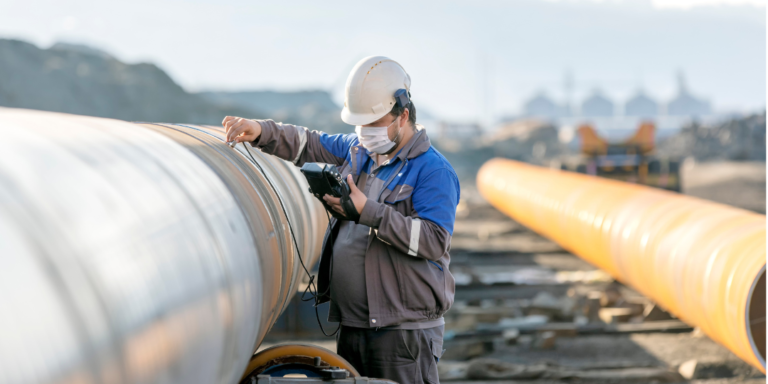
Why is the degree of purity so important?
Not all commercially available antimony meets the same standards, and this difference has concrete technical consequences. Impurities such as arsenic, lead, or iron—even in trace amounts—can alter the mechanical and electrochemical behavior of the final metal.
For demanding applications, such as semiconductors, flame retardants for electronics, or defense components, high-purity antimony is required, with impurity levels controlled within very strict ranges. In more general industrial applications, such as certain widely used lead alloys, the requirements are less stringent, although equally critical for achieving consistent performance.
The underlying reason is metallurgical: antimony forms intermetallic compounds when combined with other metals. If the starting antimony already contains uncontrolled impurities, these compounds form irregularly, resulting in more brittle alloys or alloys with unpredictable weak points under stress. Choosing lower-purity antimony for a critical application not only compromises performance but can also compromise the safety or lifespan of the final product.
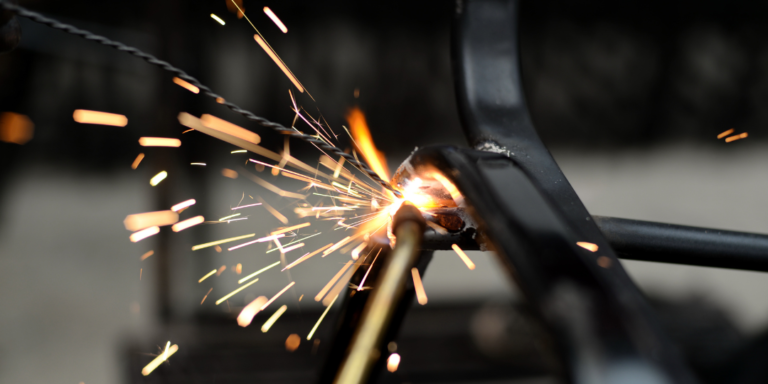
Its role in Alloys: Welding and Babbitt Metal
Antimony is rarely used alone. Its most common function is as a hardening agent in lead and tin alloys, improving mechanical strength and reducing deformation under load or temperature, thanks to the intermetallic compounds it forms within the metallic matrix.
Solders. In tin-lead-antimony alloys, a small proportion of antimony—generally between 0.2% and 5%—improves the mechanical strength and creep resistance of the soldered joint, which is valuable in solders subjected to vibration or cyclic stress, such as in automotive or industrial plumbing applications. Lead-free tin-antimony alloys (such as 95/5) are also available, used when lead is to be avoided without sacrificing mechanical strength.
Babbitt metal. This antifriction alloy relies directly on antimony for its function. In tin-based Babbitt, antimony (approximately 7% to 15%, along with copper) forms hard particles dispersed in a softer matrix, giving the material its most valuable properties: the ability to embed contaminant particles, formability, fatigue resistance, and good compatibility with lubricants. This is why it remains the benchmark material for bearings in engines, turbines, and other demanding rotating equipment. The purity of the antimony used directly influences the uniformity of these hard particles, and therefore the final performance of the bearing.
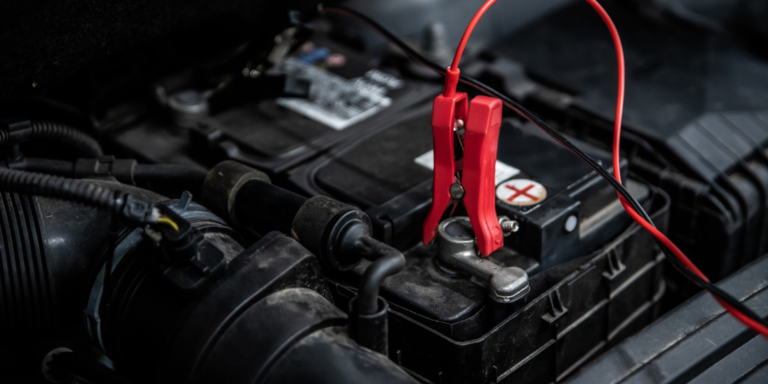
Its role in lead-acid batteries in automobiles
Lead-acid battery grids—the type that starts the vast majority of combustion engine vehicles—traditionally incorporate lead-alloyed antimony to improve their mechanical strength and their ability to withstand repeated charge and discharge cycles without deforming.
There are two generations of technology:
- High antimony content batteries (approximately 4% to 6%): offer greater mechanical strength and tolerance to deep discharge cycles, which is why they remain preferred in industrial and backup batteries. However, they lose more water through gassing and require regular maintenance.
- Low-antimony or “maintenance-free” batteries (below 2%) reduce water loss and extend service intervals, although they are somewhat less tolerant of repeated deep discharges. This is the dominant technology in most passenger vehicles today.
In short: the quantity and quality of the antimony used defines how long the battery lasts and how much maintenance it needs, which is why manufacturers carefully adjust this ratio according to the vehicle’s intended use.
A metal that is not very visible, but difficult to replace
From welding and Babbitt bearings to automotive batteries, antimony serves a variety of purposes, but all share a common thread: its ability to provide hardness, stability, and mechanical strength to alloys that, without it, simply wouldn’t perform as well. And in every case, this ability depends directly on one factor: the purity of the antimony used.
Does your operation rely on high-purity antimony alloys? At Conalsol, we offer certified antimony and technical support to help you choose the exact grade your process requires. Contact us for a quote on your next order.