
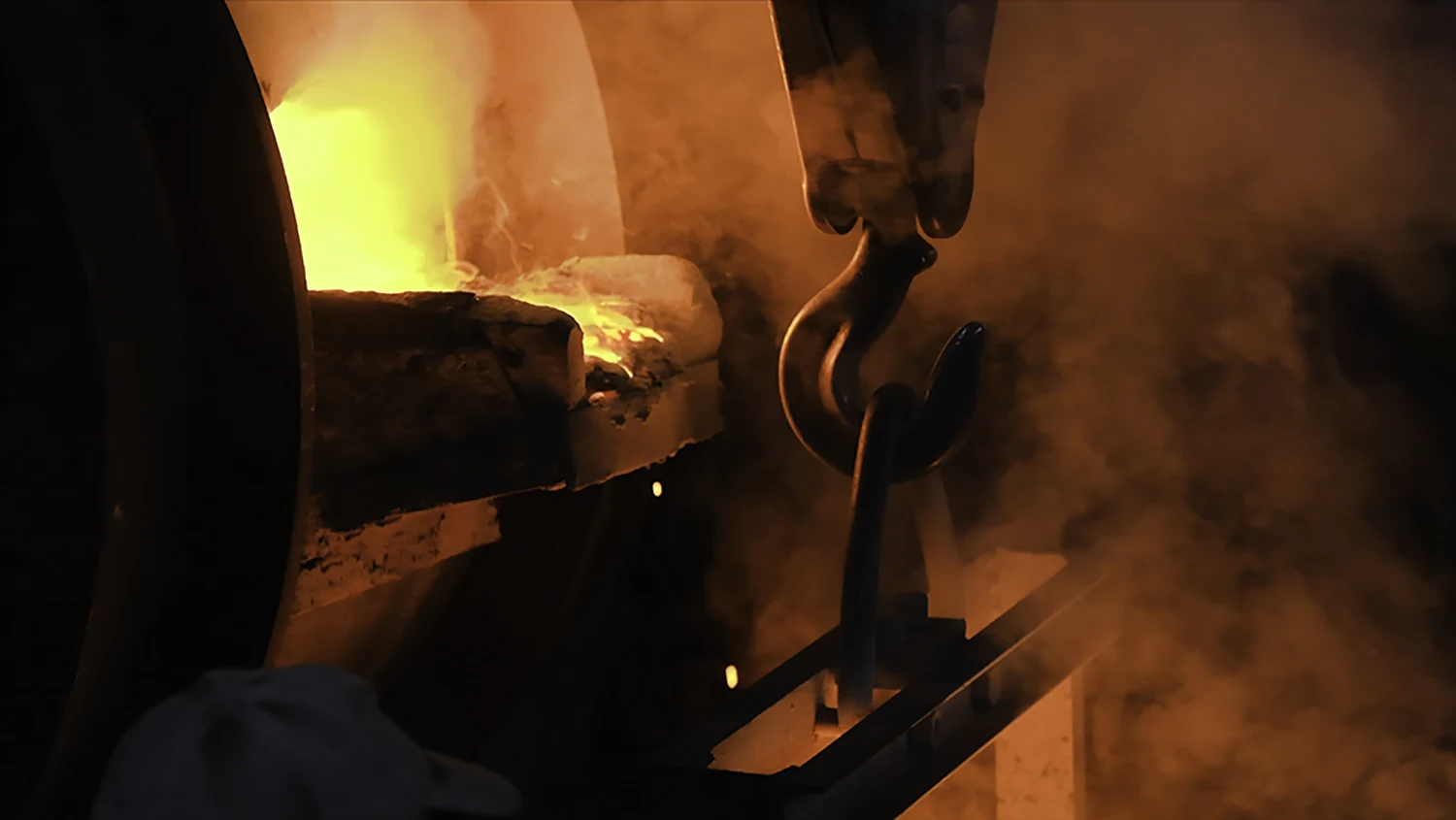
Zamak: what it is and how it optimizes industrial manufacturing from mold to final part
In manufacturing, efficiency does not depend solely on the material, but on how it behaves throughout the entire production process—from design to final finishing.
In this sense, zamak stands out for its ability to integrate efficiently into different manufacturing methods, enabling the production of complex parts with high precision, lower operating costs, and excellent surface finish.
However, its true value lies not only in its properties, but in how it impacts every stage of the process.
What makes zamak different from other alloys?
Zamak is a zinc alloy with aluminum, magnesium, and copper, designed for high-precision casting processes.
Unlike materials such as aluminum or steel, it is characterized by:
- Higher fluidity in its liquid state
- Ability to reproduce complex geometries
- Excellent base for surface finishes
- Reduced need for post-machining
These properties not only improve part quality but also directly optimize manufacturing processes.
How zamak casting works
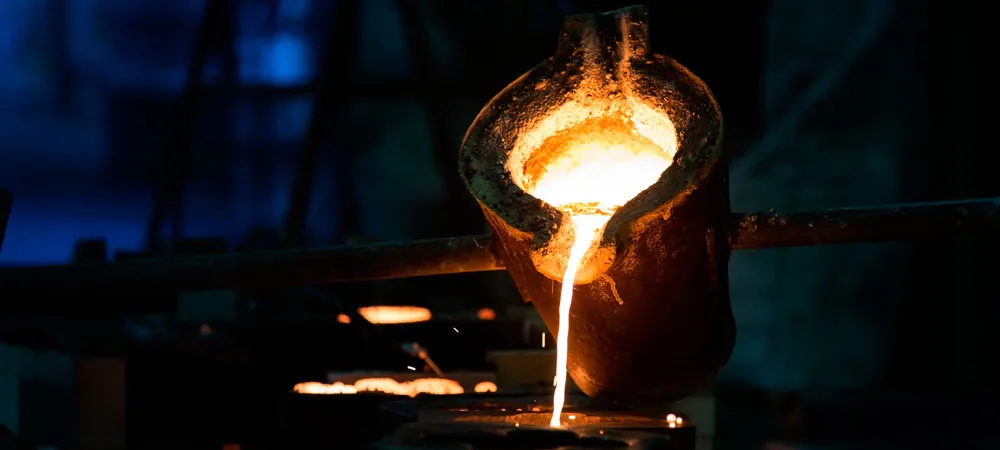
These advantages become evident during the casting stage.
Thanks to its high fluidity and low melting temperature, zamak allows uniform filling even in complex molds, resulting in:
- Reduced defects
- Greater dimensional control
- Better repeatability between parts
This makes the process more stable and predictable, especially in mass production.
Manufacturing processes: injection or centrifugal casting?
Depending on the type of part and production volume, zamak can be processed using different methods, the most common being pressure die casting and centrifugal casting.
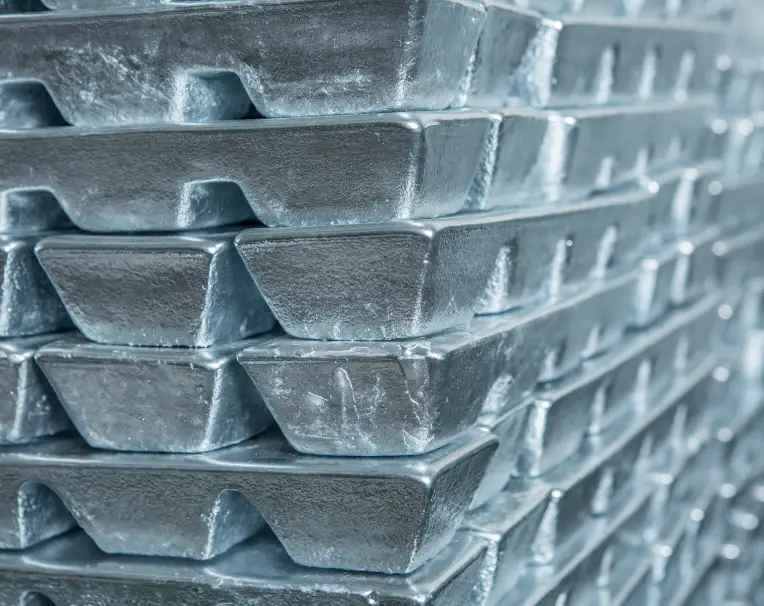
Pressure die casting
This is the ideal process for mass production, as it allows:
- High dimensional repeatability
- Fast production cycles
- Tight tolerances
For this reason, it is widely used in industries such as automotive and industrial hardware, where consistency is key.
Centrifugal casting in silicone molds
In contrast, centrifugal casting is more suitable for:
- Short production runs
- Highly detailed parts
- Prototype development
Its main advantage lies in design flexibility and low tooling cost, making it common in jewelry and accessories.
Industrial applications of zamak
The choice of process is directly related to the final application of the part. Thanks to its precision, versatility, and finish quality, zamak is used across multiple industries where a balance between functionality and aesthetics is required.
- Hardware and construction:
Used in parts that combine mechanical strength with visual finish, especially in visible or frequently used applications.
Examples: handles, locks, hinges. - Textile industry:
Ideal for small components subjected to repetitive use, where precision and durability are essential.
Examples: zippers, sliders, buckles. - Automotive industry:
Used in parts requiring high dimensional repeatability and good wear performance under normal operating conditions.
Examples: emblems, handles, internal supports. - Accessories and decoration:
Excels in products where surface finish and level of detail are critical to perceived quality.
Examples: charms, tags, metal logos. - Promotional, institutional, and commemorative products
Zamak is also used in manufacturing parts where visual detail, relief definition, and finish quality are key. Thanks to its excellent replication capability and good response to various coatings, it is an efficient option for producing metal elements with functional, decorative, or recognition value.
Examples: medals, badges, pins, plaques, shields, keychains, souvenirs, and promotional items.
In these applications, zamak offers significant advantages when preserving fine geometries, defined reliefs, and consistency between pieces. This enables the development of products with strong visual presentation and production consistency, both in short runs and larger volumes depending on the selected manufacturing process.
How zamak reduces costs at every stage
Beyond its versatility, one of zamak’s greatest contributions is cost optimization throughout the production process.
- Design: enables complexity to be integrated from the mold, reducing later adjustments
- Production: its low melting temperature reduces tooling wear and speeds up cycles
- Post-processing: many parts come out ready for assembly
- Finishing: facilitates coatings without complex additional processes
The result is a more efficient operation, with fewer reprocesses and greater stability.
When is it convenient to manufacture a part in zamak?
Zamak is often a suitable alternative when producing a part that requires a good level of detail, dimensional stability, and surface finish without resorting to extensive machining processes.
It is also attractive in projects seeking a balance between visual presentation, repeatability, and production efficiency.
Its convenience increases in applications where part design allows casting to reduce secondary operations, especially in small to medium components, decorative parts, and frequently used metal elements.
Cases where zamak is NOT the best option
However, like any material, its use must be evaluated according to the application.
It is not recommended when:
- The part will be exposed to high temperatures
- High structural loads are required
- There is exposure to aggressive chemical environments
- There is constant mechanical fatigue
In these cases, choosing the wrong material can compromise performance and increase long-term costs.
Conclusion
Zamak is not simply a cost-effective alternative, but a strategic solution in manufacturing. Its value lies in how it optimizes every stage of the process—from design to the final part.
However, fully leveraging its potential depends on proper material selection, the right manufacturing process, and the intended use conditions of the part.
At Conalsol, we support companies throughout this decision-making process by providing specialized technical advice to determine when zamak is the best alternative and how to implement it efficiently in their production processes.
Because beyond the material, the key is making informed decisions that truly improve operational competitiveness.

Recibe asesoría personalizada
¿Listo para comenzar a proteger tu inversión en cada milla náutica?