
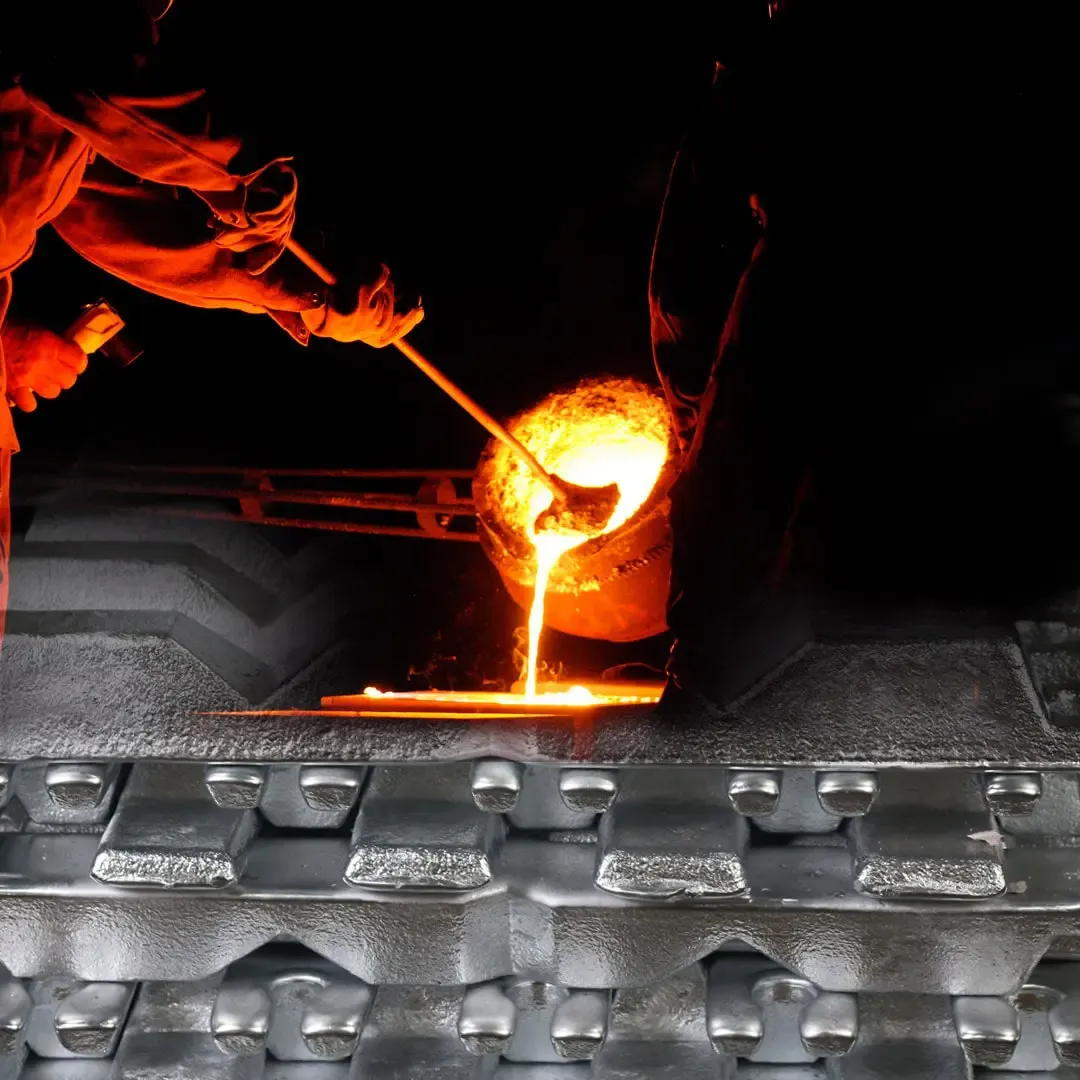
Zamak Composition: Why Its Control Defines Performance in Die Casting and Centrifugal Casting
In processes such as die casting and centrifugal casting, many failures are often attributed to the mold, the machine, or operating parameters. However, in a large number of cases, the root cause lies earlier: in the quality of the alloy.
When working with Zamak, it is not enough to define it simply as a zinc alloy. Its performance depends on each of its elements remaining within specific ranges and complying with technical standards such as those established by ASTM for zinc alloys used in casting.
In this type of material, even minimal variations in composition can alter fluidity, strength, dimensional stability, and the final surface finish of the part. When this happens, the problem is not always evident during the casting process, but may appear later—even during final use, after the part has all its finishes.
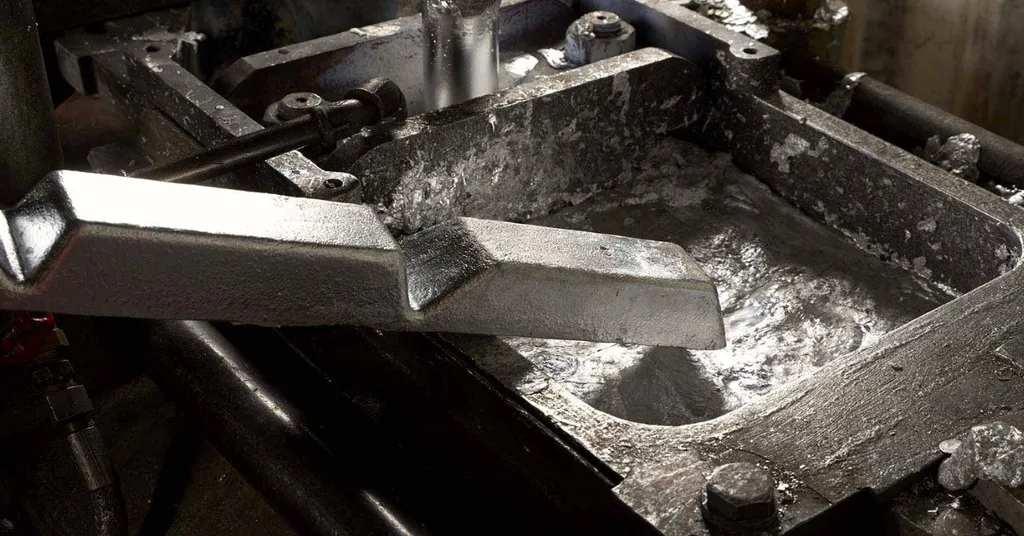
Why does Zamak composition directly impact the process?
In casting, material behavior is not evaluated only by its theoretical properties, but by how it performs within the process.
In the case of Zamak, its chemical composition directly influences critical variables such as metal fluidity, mold filling, solidification rate, and dimensional stability.
This means that any variation in the alloy does not remain in the lab—it translates into real changes during production. It can affect how the metal flows, how it distributes within the mold, and how it behaves as it cools.
Therefore, more than just a material characteristic, Zamak composition is a process condition. It defines how stable, repeatable, and controllable the manufacturing of each part will be.
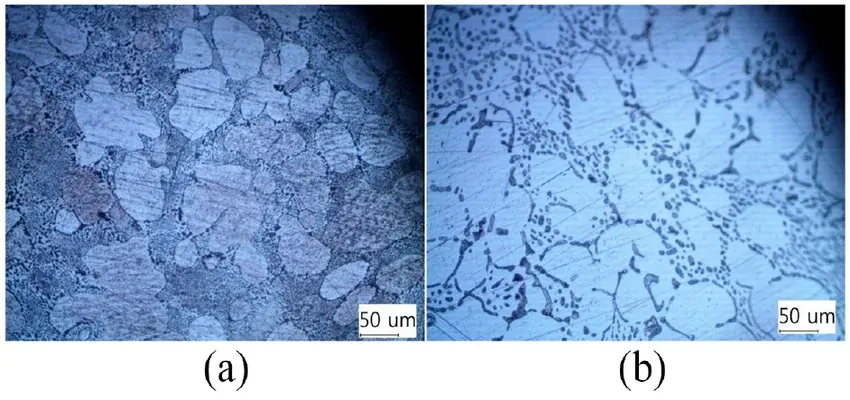
The role of each element in Zamak performance
Zinc: the base that defines processability
Zinc makes up the majority of the alloy and is responsible for key properties such as low melting temperature, high fluidity, and the ability to fill complex molds with a high level of detail.
Thanks to these characteristics, Zamak enables the production of parts with good dimensional accuracy and excellent surface finish in casting processes.
However, these advantages depend directly on the purity of the zinc used. The presence of metallic impurities, even at low levels, can affect alloy behavior and cause process issues.
Aluminum: balance between strength and castability
Aluminum, typically around 4% in many Zamak alloys, is one of the most critical elements.
It provides mechanical strength, improves dimensional stability, and enhances behavior during solidification.
When its content deviates from the appropriate range, the system balance is disrupted. This can result in filling problems, loss of detail, or variations in consistency between parts.
Magnesium: impurity control and stability
Although present in very small amounts, magnesium plays a critical role in the alloy.
Its main function is to neutralize the effects of impurities such as lead, cadmium, and tin, which can cause severe material failures.
When magnesium is not at the proper level, the alloy becomes more susceptible to contaminants. When excessive, it can also create issues such as increased cracking tendency due to shrinkage stresses and greater brittleness.
Copper: strength with risk of brittleness
Copper is added to improve hardness and mechanical strength, especially in applications requiring higher structural performance.
However, its presence must be kept within controlled limits. Excess copper can reduce ductility and affect long-term performance, particularly under stress or aging conditions.
This may lead to parts that initially meet specifications but fail during use or assembly.
What happens when Zamak is out of specification?
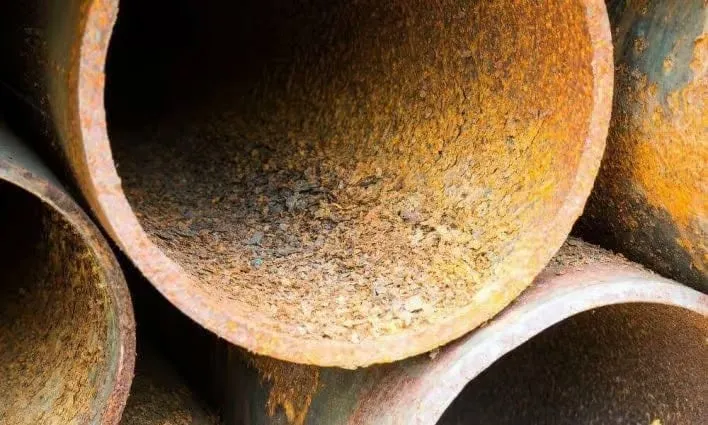
When chemical composition or alloy purity is not properly controlled, issues can arise at different stages of the process.
One of the most critical phenomena is intergranular corrosion, where impurities such as lead, cadmium, or tin concentrate at grain boundaries. This can cause progressive deterioration, especially in humid or high-temperature environments.
Additional problems may include:
- Reduced metal fluidity and difficulty filling molds
- Loss of detail in fine geometries
- Porosity or internal defects
- Issues in polishing, machining, or electroplating
- Cracks due to shrinkage or ejection stresses
- Lower mechanical strength and higher brittleness
- Variability between production batches
In manufacturing, this leads to rework, constant adjustments, part rejection, and increased total process costs.
Impact on die casting and centrifugal casting
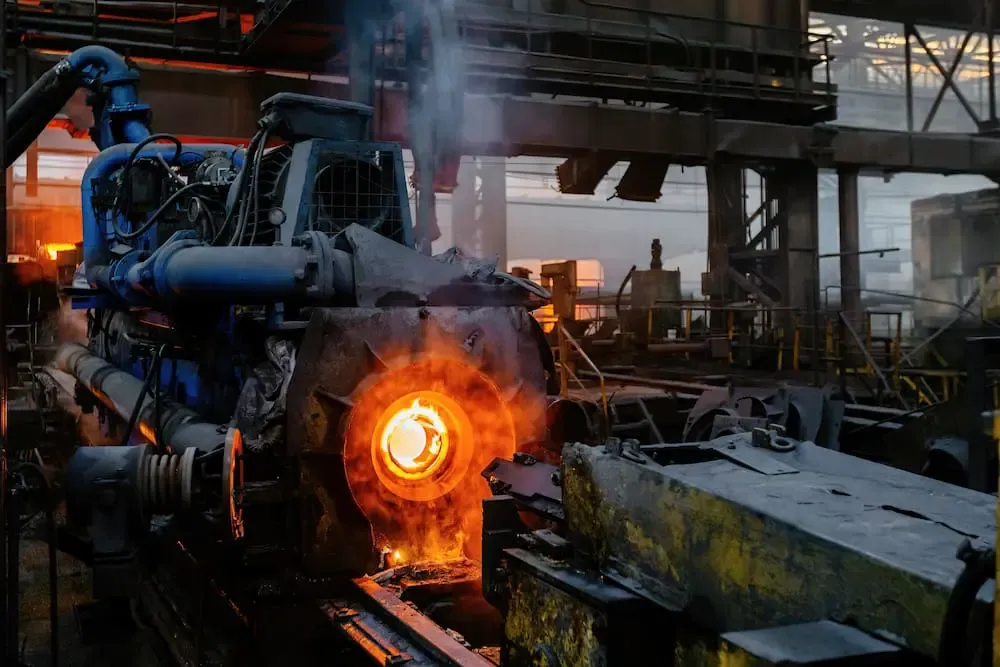
Die casting
In this process, alloy stability is essential to ensure repeatability, dimensional precision, and surface quality.
Variations in composition can change metal fluidity, affect mold filling, and create inconsistencies between parts, directly impacting production efficiency.
Centrifugal casting
In centrifugal casting, where parts with high levels of detail are produced, Zamak quality is even more critical.
An out-of-spec alloy can affect detail definition, filling uniformity, and final surface quality, compromising both aesthetic and functional results.
Zamak quality starts with metallurgical control
Working with high-quality Zamak means using an alloy whose composition has been carefully controlled and verified.
This includes:
- Compliance with technical standards such as ASTM
- Impurity control
- Composition stability between batches
- Material traceability
It is not just about meeting a chemical formula, but ensuring consistent behavior throughout every stage of the process.
Additionally, selecting the right Zamak grade is crucial depending on the production process:
For die casting processes:
- Zamak 400 (Zamak 3): widely used for its excellent fluidity, dimensional stability, and ease of finishing
- Zamak 410 (Zamak 5): offers higher mechanical strength and hardness for more demanding applications
For centrifugal casting:
- Zamak 430 (Zamak 2): higher copper content, suitable for parts requiring greater hardness
- Zamak 431: designed for good detail and strength in applications such as costume jewelry
- Zamak 331: a versatile option for decorative and high-definition parts
Choosing the right alloy not only improves part performance but also stabilizes the process, reduces defects, and optimizes production costs.
Conclusion
Zamak performance depends not only on the casting process, but on precise control of its composition.
In this type of alloy, small variations can lead to significant differences in the final result.
Working with in-spec Zamak is not just a technical detail—it is a fundamental condition for achieving stable processes, consistent parts, and controlled costs.
At Conalsol, we understand that material quality is the foundation of industrial performance. That is why we support our clients in selecting controlled-spec alloys, ensuring reliable results in every die casting or centrifugal casting process.

Recibe asesoría personalizada
¿Listo para comenzar a proteger tu inversión en cada milla náutica?