
How sustainability is transforming the metalworking industry
Sustainability has become an increasingly relevant topic within the metallurgical industry. However, today this concept goes far beyond environmental impact.
More and more industries are implementing sustainable strategies because they allow them to optimize resources, improve the efficiency of their processes, and strengthen the productivity of their operations.
In sectors that work with materials such as Zinc, Zamak, Lead or Tin, developing more sustainable processes also means reducing waste, making better use of raw materials and generating more efficient and competitive operations in the long term.
That is why concepts such as materials recovery, metal waste refining and circular economy have become increasingly important within the industry.
Sustainability and circular economy in the metals industry
Industrial sustainability seeks to improve resource utilization and reduce losses within production processes.
In the metallurgical industry, this is directly related to the circular economy, a model that promotes the reuse and reincorporation of materials to extend their useful life cycle.
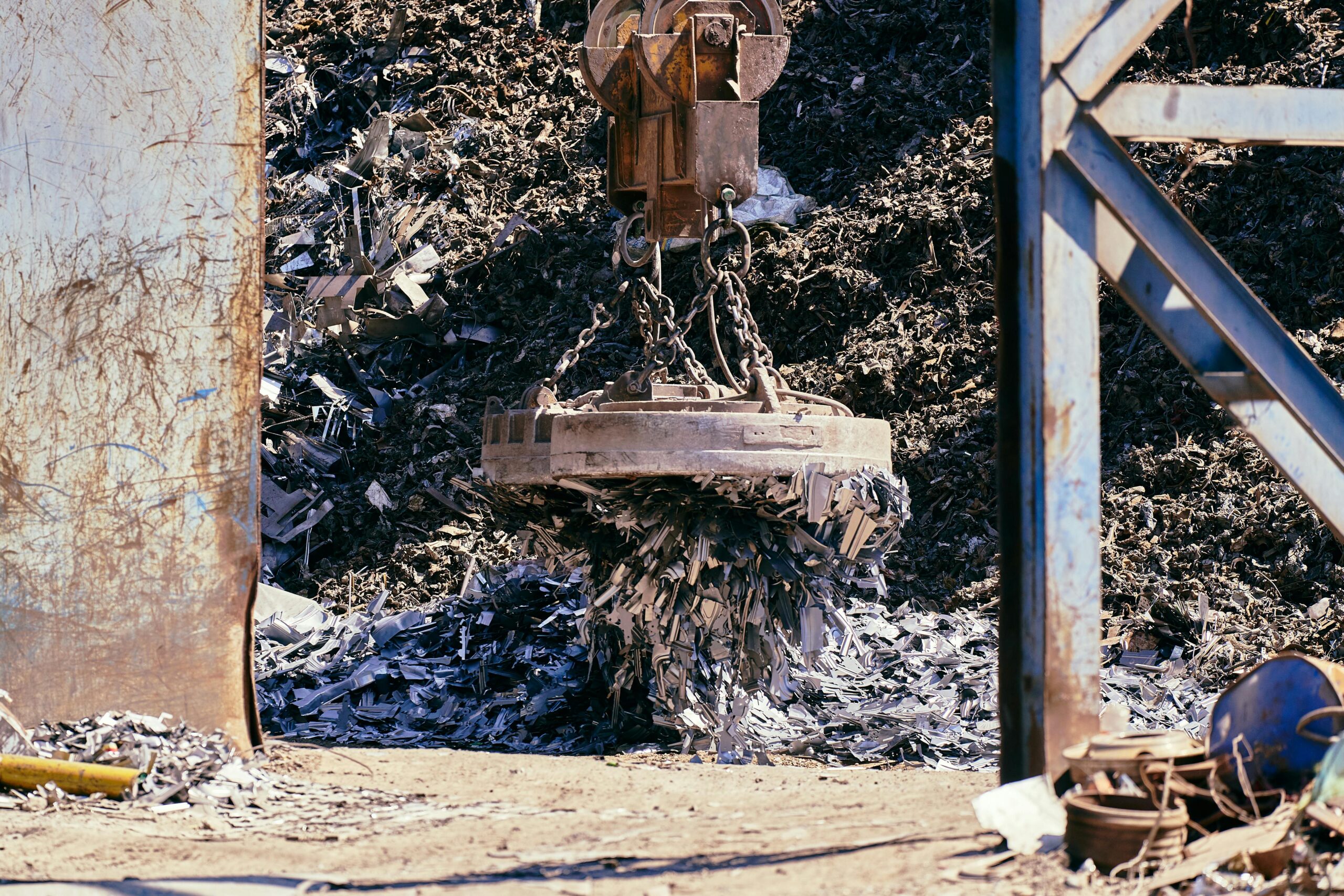
Many metallic waste products generated in smelting or transformation processes can still be utilized through specialized recovery and refining processes.
Benefits of implementing sustainable strategies in the metallurgical industry
Sustainable strategies not only help reduce waste. They also provide operational, productive, and economic benefits that directly impact the efficiency of industries.
Better use of raw materials
In many industrial processes, some of the material used can be recovered and reused within the operation.
This allows for the optimization of raw material use, reduces losses, and generates better use of available resources.
Furthermore, more efficient materials management helps to strengthen operational continuity and improve production planning.
Cost optimization
Reusing and recovering metallic materials can also represent a significant cost advantage.
By reincorporating certain materials back into the production process, industries can reduce waste and optimize the use of raw materials within the operation.
This helps to:
- Reduce material losses;
- Improve productive efficiency;
- Optimize available resources;
- Obtain reusable material with high quality standards;
- Reduce production costs;
- Improve cash flow.
Greater operational efficiency
Sustainable strategies help to develop more organized and efficient operations.
When industries implement processes focused on materials control, waste reduction, and resource optimization, they achieve improved productivity and greater control over their processes.
This can be translated into:
- Improved inventory management;
- Reduction of operating losses;
- Greater continuity in production;
- More efficient and organized processes.
More competitive processes
Today, many industries are looking for operations capable of combining productivity, efficiency, and intelligent use of resources.
Therefore, implementing sustainable strategies also helps to strengthen competitiveness and adaptability within the industrial market.
One of the most important strategies within this process is the recovery and refining of metallic waste, especially in materials such as Zinc, Zamak, Tin and Lead.
Refining metal waste: a strategy to optimize resources and reduce waste
In industrial processes related to smelting or metal transformation, Zinc and Zamak waste can still be used within new production cycles.
In the case of zinc, the metallic waste is collected and subjected to refining processes that allow the material to be recovered and prepared again for industrial applications.
For Zamak, the process includes material recovery, chemical analysis of the alloy, and a formula rebalancing that readjusts its composition to meet the specifications required in production.
This type of process helps to:
- Optimize the use of materials;
- Reduce industrial waste;
- Improve raw material control;
- Reduce costs on the finished product.
Furthermore, it allows for more organized operations and greater control over the resources used in production.
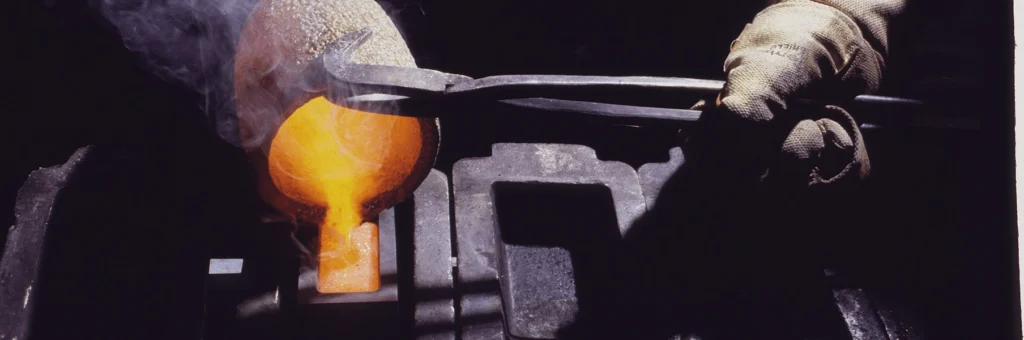
At Conalsol we offer metal waste recovery and refining services aimed at helping different industries optimize the use of materials and strengthen the efficiency of their production processes.
Other sustainability strategies in the metals industry
In addition to the recovery and refining of materials, there are other actions that help strengthen sustainability and efficiency within the metallurgical industry.
Energy optimization in production
Metallurgical processes require high energy consumption, especially in smelting and processing operations.
Therefore, many industries implement measures such as:
- Turning off equipment when not in operation;
- Preventive maintenance of ovens and machinery;
- Optimization of production times;
- Energy consumption control in the plant.
These measures help improve operational performance and reduce unnecessary consumption.
Planning and control of raw materials
Proper raw material management reduces waste and improves inventory control.
Some actions include:
- Monitoring of material consumption;
- Proper waste sorting;
- Control of production surpluses;
- Strategic supply planning.
This helps to optimize resources and improve operational efficiency.
Classification and separation of metallic waste
Properly separating metal waste makes it easier to identify which materials can be recovered and reused.
Many companies implement processes for:
- Classification by alloy type;
- Separation of contaminants;
- Proper storage of metal waste;
- Material traceability control.
This improves resource utilization and facilitates more efficient recovery processes.
Continuous improvement of industrial processes
Sustainability is also linked to a company’s ability to constantly review and optimize its operations.
Evaluating production processes, identifying material losses, and adjusting procedures helps develop more efficient and organized operations in the long run.
Conclusion
Sustainability in the metallurgical industry is increasingly important because it allows for resource optimization, improved operational efficiency, and strengthened productivity.
Today, implementing sustainable strategies not only provides environmental benefits but also economic, operational, and competitive advantages for the industry.
The recovery and refining of metal scrap has become a key tool for improving material utilization and developing more efficient industrial processes.
At Conalsol, we work on solutions focused on the efficient use of metallic materials and the development of more sustainable and efficient industrial processes.