
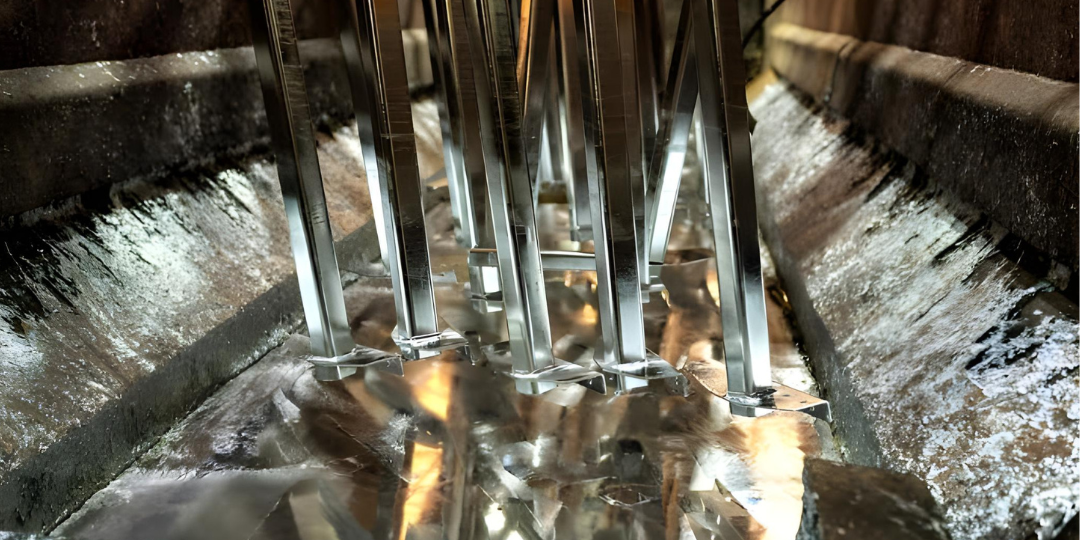
Service life of galvanized coating: what factors determine it
One of the most frequent questions among construction engineers and industrial buyers is: how many years does a galvanized coating actually last? The correct answer isn’t a single number, but rather “it depends”—and it depends on specific factors that can be anticipated from the design or specification stage of the project.
Next, we review the five factors that most influence the durability of hot-dip galvanizing.
1. Thickness of the Zinc layer
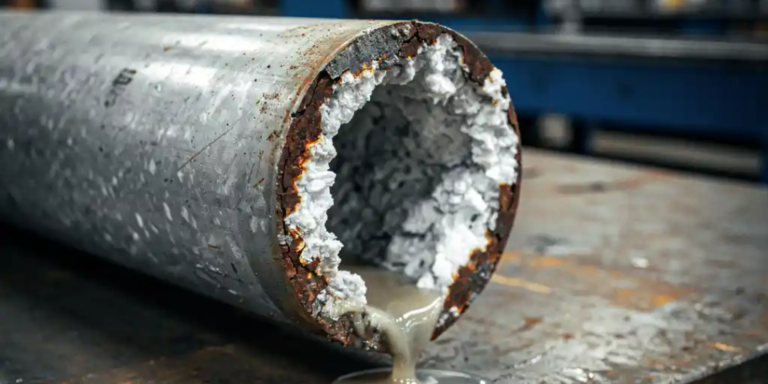
The most critical factor by far is the coating thickness. The greater the thickness, the longer it takes for corrosion to reach the underlying steel. This thickness is not arbitrary: standards such as ASTM A123 (for fabricated parts) and ASTM A153 (for components like bolts and fittings) establish minimum thicknesses based on the type and thickness of the part.
Therefore, when specifying a project, it is not enough to ask for “galvanized steel”: it is necessary to indicate the reference standard and, if applicable, the required thickness.
2. Composition of the base steel
Not all steels react the same way to molten zinc. The silicon and phosphorus content of the steel (the so-called “Sandelin effect”) can accelerate the metallurgical reaction and produce thicker layers, but also more brittle ones or those with a less uniform appearance. Knowing the composition of the steel before galvanizing allows you to anticipate the coating’s behavior and adjust the process—for example, by using specific alloys—to compensate for it.
3. Exhibition environment
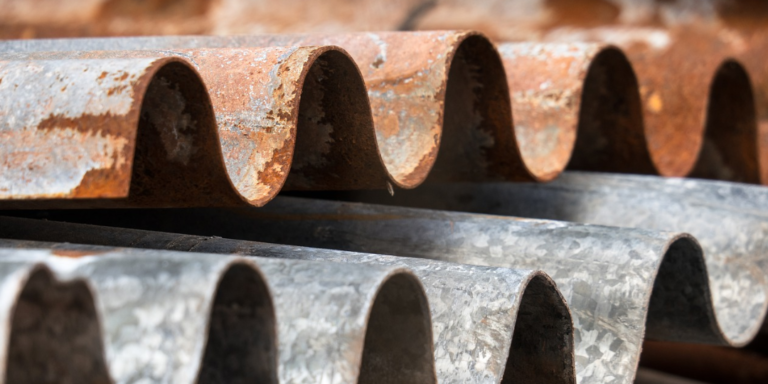
The same coating can last for decades in a dry rural environment and much less in a marine or industrial environment with high concentrations of atmospheric pollutants. Atmospheric corrosivity is usually classified into categories (from C1, very low, to C5, very high, according to ISO 9223 standards), and this category is key to estimating the expected lifespan of a galvanized structure.
This is especially relevant in sectors such as shipbuilding or coastal infrastructure, where exposure to chlorides accelerates any corrosive process.
4. Mechanical damage and maintenance
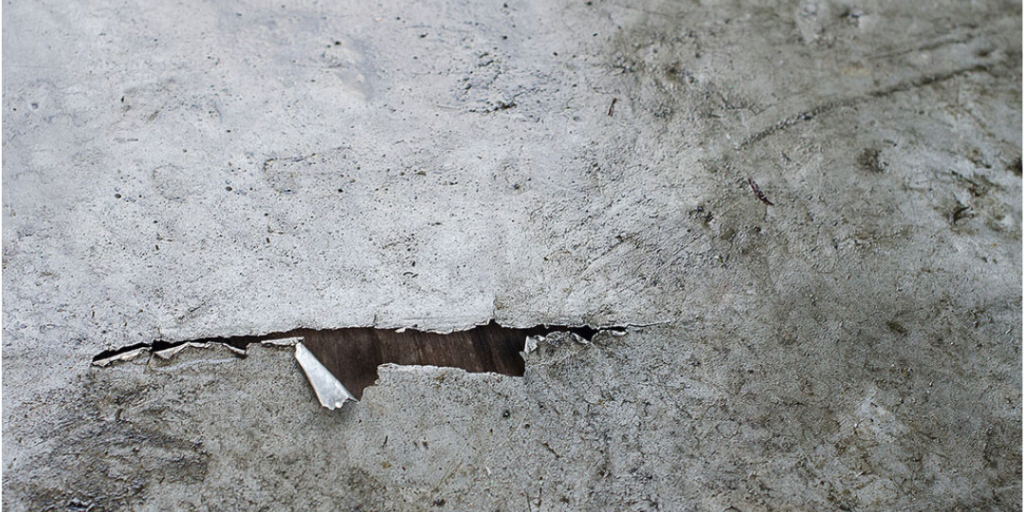
The galvanized coating is durable, but not indestructible. Impacts, deep scratches during transport or installation, or welds made after galvanizing can leave areas of exposed steel. These areas need to be repaired with specific products (such as zinc-rich paints) to prevent them from becoming points of accelerated corrosion.
Simple preventive maintenance—periodic visual inspection and timely repair of damage—can significantly extend the actual lifespan of a structure, beyond what the coating’s technical data sheet indicates.
5. Quality of Zinc and Alloys Used
Finally, not all zinc coatings are created equal. The purity of the zinc used in the plating bath and the alloys employed (zinc-aluminum, zinc-nickel, zinc-bismuth, among others) influence the density, adhesion, and corrosion resistance of the resulting layer. Zinc with impurities outside the ranges specified by ASTM B6 can result in less uniform coatings and, consequently, a shorter lifespan than expected.
How to estimate the useful life of a project
As a general guideline—and always subject to specific site conditions—estimates commonly range from several decades in rural or urban environments to considerably shorter periods in marine or harsh industrial environments. The most reliable way to estimate the actual lifespan is to combine the site’s corrosivity category (ISO 9223) with the coating thickness required by the corresponding standard (ASTM A123/A153).
Conclusion
The lifespan of a galvanized coating depends not on a single factor, but on a combination of design (thickness, applicable standard), environmental conditions, material quality, and subsequent maintenance. Properly specifying the coating from the project’s outset—and choosing suppliers that guarantee traceability and regulatory compliance—is the most effective way to ensure that the investment in galvanizing translates into years of actual protection.
Do you need technical advice to specify the right galvanizing for your project? At Conalsol, we help define composition, thicknesses, and alloys according to the environmental exposure of your structure.