
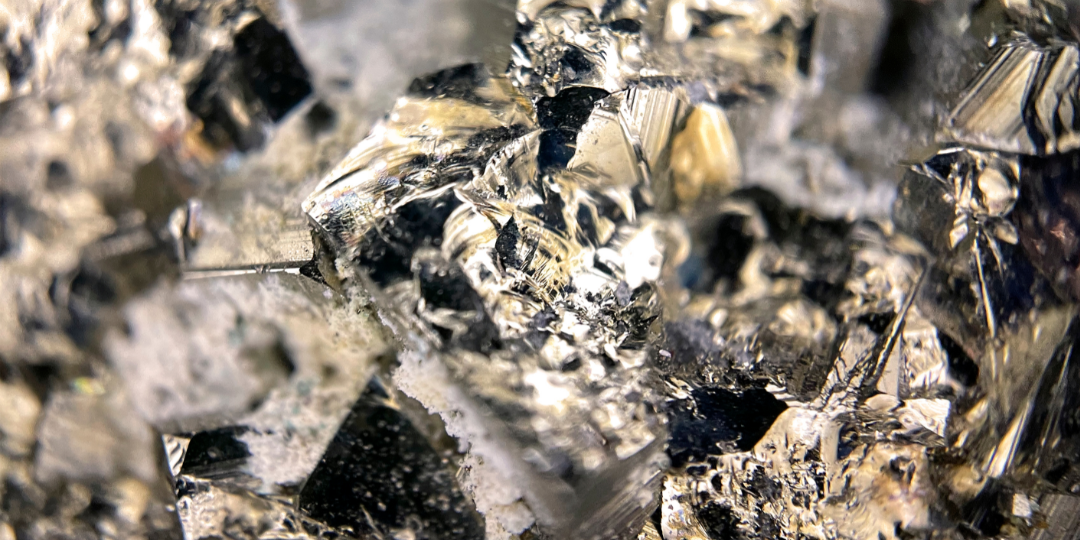
Nickel: the scarce metal behind steel, cars, and electroplating
Nickel is one of those metals we take for granted in everyday products, unaware that its availability depends on a supply chain concentrated in very few countries. It is key in the automotive industry, in electroplating processes, and in the manufacture of stainless steel, but its limited geographic origin makes it a resource vulnerable to any geopolitical shift or logistical disruption. In this article, we review who produces it, why it is a scarce resource, and its main industrial applications.
A scarce resource: the world’s leading nickel producers
Nickel production is concentrated in a few countries: Indonesia leads with more than half of the global volume, followed by the Philippines, Russia (with Norilsk Nickel as one of the world’s largest producers of high-purity nickel), Australia, and Brazil. This geographic concentration makes nickel particularly sensitive to political decisions or logistical disruptions, so diversifying suppliers and ensuring traceability of origin is now a true risk mitigation strategy for any industry that depends on this metal.
His role in the automotive industry
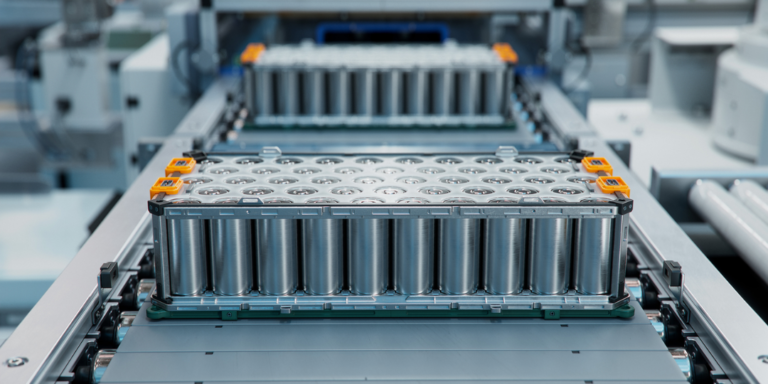
Nickel has gained prominence in the automotive sector in two distinct ways. The most recent is its use in lithium-ion batteries for electric vehicles: within the cells, nickel increases the battery’s energy density, resulting in greater range per charge without significantly increasing its weight or size. This is why battery chemistries with higher nickel content (compared to those with lower proportions) are preferred by manufacturers seeking to maximize the range of their electric vehicles.
The second route is more traditional but equally important: nickel is a component of special steels and superalloys used in parts that operate under extreme temperatures and stresses, such as exhaust systems, turbochargers, and certain engine components. Here, its function differs from that of batteries: it provides corrosion resistance and structural stability even under sustained heat, something few metals can maintain without degrading. This dual demand—from both the electrical and traditional industries—explains why nickel has become an increasingly sought-after metal globally.
Their role in the electroplating industry
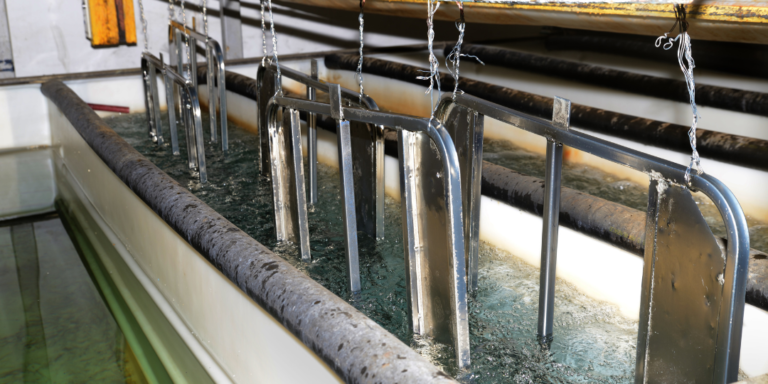
In electroplating, nickel is one of the most widely used and versatile plating metals. It is applied in two main configurations: as a functional intermediate layer, generally before a final chromium coating, where its function is to improve adhesion between layers and provide a uniform base that conceals minor imperfections in the base surface; and as a final decorative layer, when a bright, wear-resistant finish with good corrosion resistance is desired on its own.
This versatility makes it a key player in very different sectors: automotive parts (moldings, rims, hardware), faucets and bathroom accessories, electronic components requiring good conductivity, and even costume jewelry and decorative items. Furthermore, nickel offers a practical advantage in the manufacturing process: it is relatively stable in different types of electrolytic baths, which simplifies process control compared to other plating metals that are more sensitive to variations in temperature or pH.
An essential component in the manufacture of stainless steel
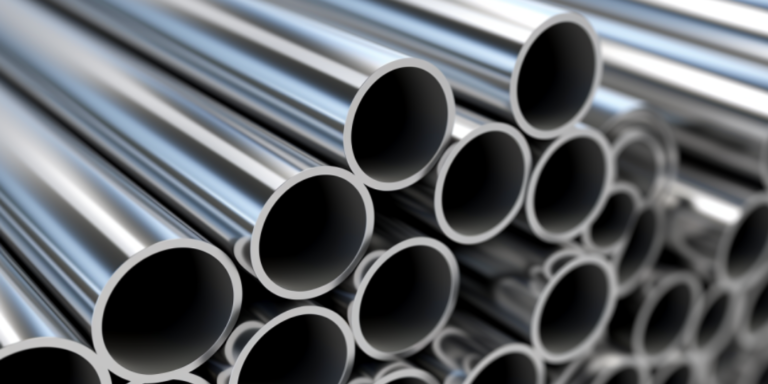
Perhaps the least visible use of nickel, but the largest in terms of global volume, is its role in the manufacture of stainless steel. Nickel is added to the alloy—along with chromium—primarily in austenitic stainless steels (such as the well-known grades 304 and 316), which are the most widely used in industry due to their combination of corrosion resistance, ductility, and ease of fabrication.
The specific role of nickel here is to stabilize the crystalline structure of steel (the austenitic phase), giving the material its non-magnetic properties and its ability to maintain good mechanical performance even at low or high temperatures. Without sufficient nickel, steel loses some of this stability and ductility, resulting in a material more prone to cracking under stress. Since the stainless steel industry accounts for the largest share of global demand for nickel, any fluctuation in the price or availability of this metal directly impacts the manufacturing costs of utensils, industrial equipment, pipes, tanks, and structures that rely on this type of steel.
A strategic metal that requires planning
Between automotive batteries, electroplating, and stainless steel, nickel has become a metal whose demand is growing faster than its production diversification. This combination—high demand, concentrated supply—is precisely what makes this metal a resource that no industry dependent on it can afford to take for granted.
Does your operation require guaranteed quality nickel for electroplating, alloys, or stainless steel? At Conalsol, we help you secure the supply your process needs. Contact us for a quote on your next order.