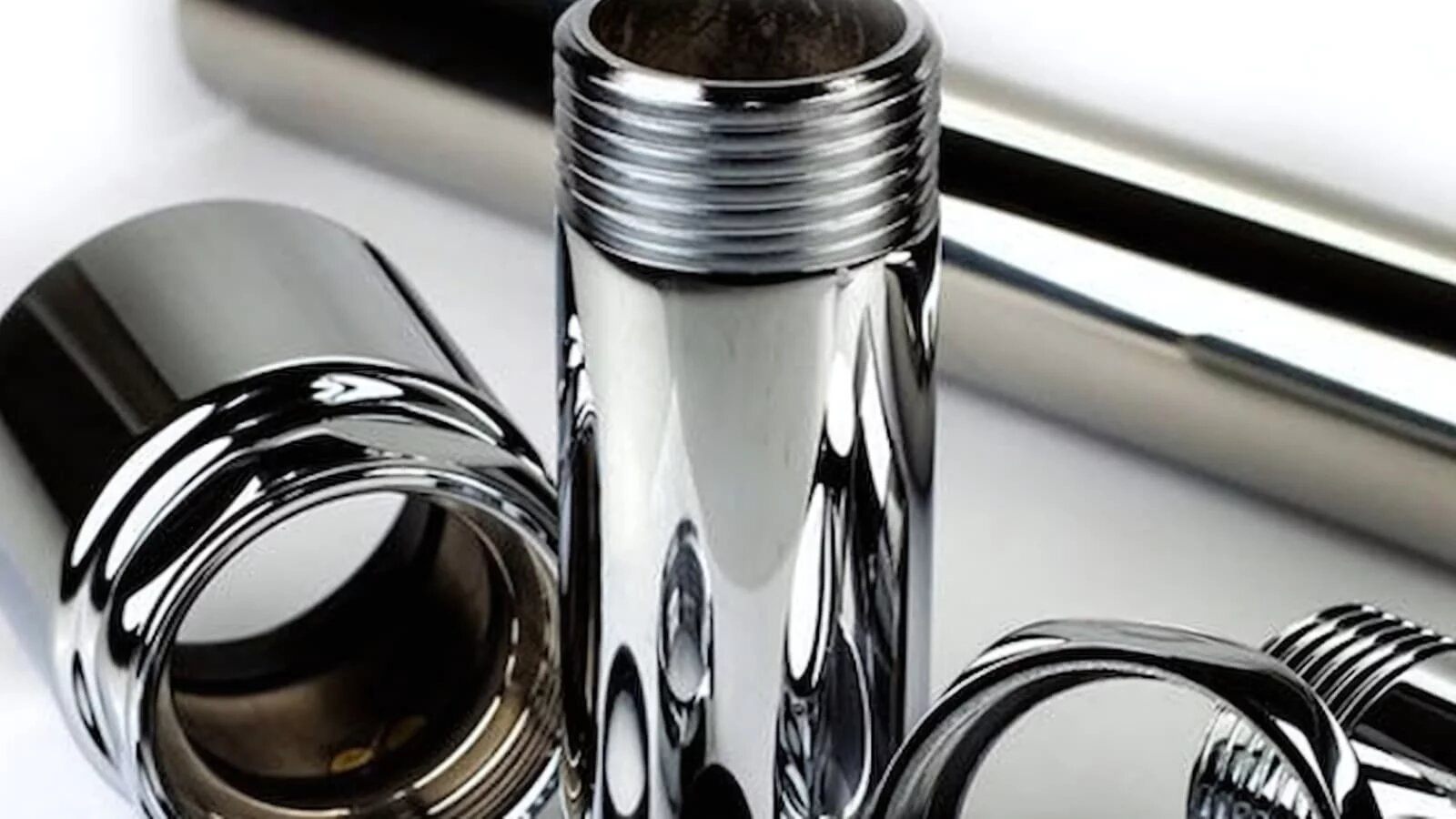
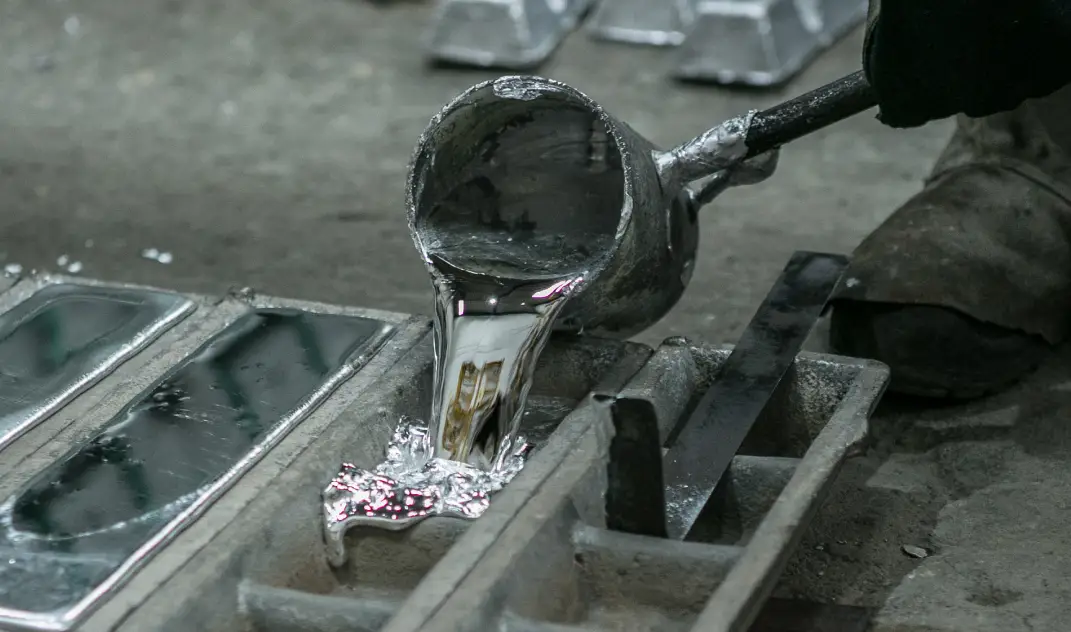
Zamac in fashion, footwear and leather goods: uses by industry and which alloy applies
The production of fashion accessories, footwear, and leather goods relies heavily on small metal parts: buckles, clasps, rivets, rings, buttons, and decorative hardware
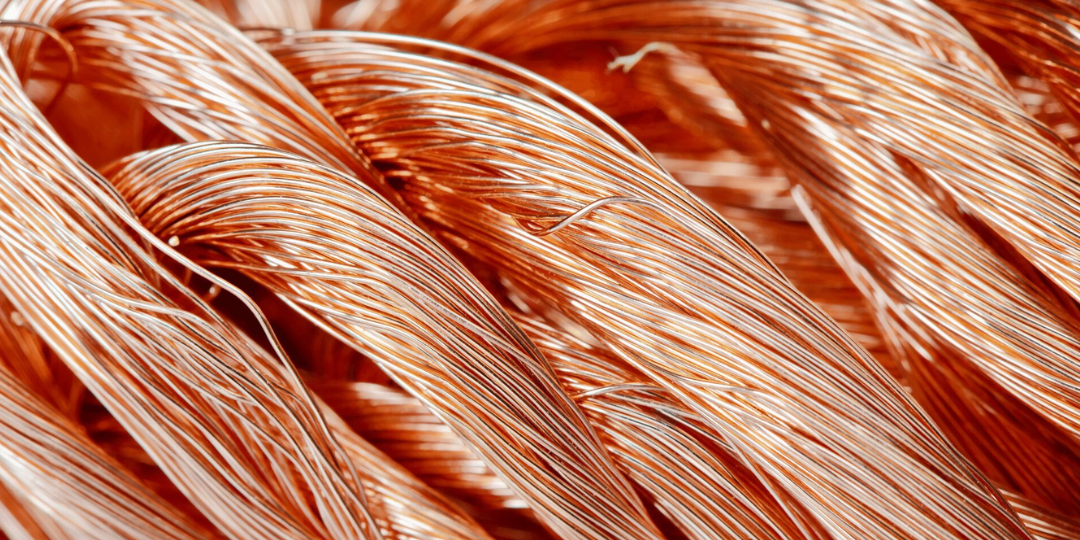
Copper: the metal that conducts the current and protects the part in electroplating
Copper is a metal that doesn’t usually stand out at first glance; however, it’s a key component behind numerous industrial processes. In electroplating, it fulfills two distinct and complementary roles
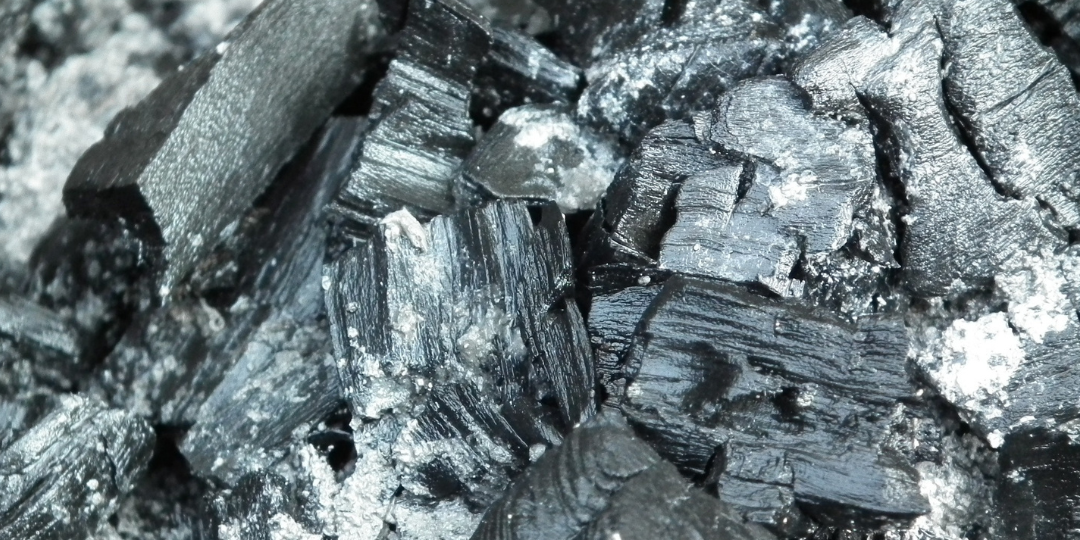
Nickel: the scarce metal behind steel, cars, and electroplating
Nickel is one of those metals we take for granted in everyday products, unaware that its availability depends on a supply chain concentrated in very few countries.
Service life of galvanized coating: what factors determine it
how many years does a galvanized coating actually last? The correct answer isn’t a single number, but rather “it depends”—and it depends on specific factors that can be anticipated from the design or specification stage of the project.
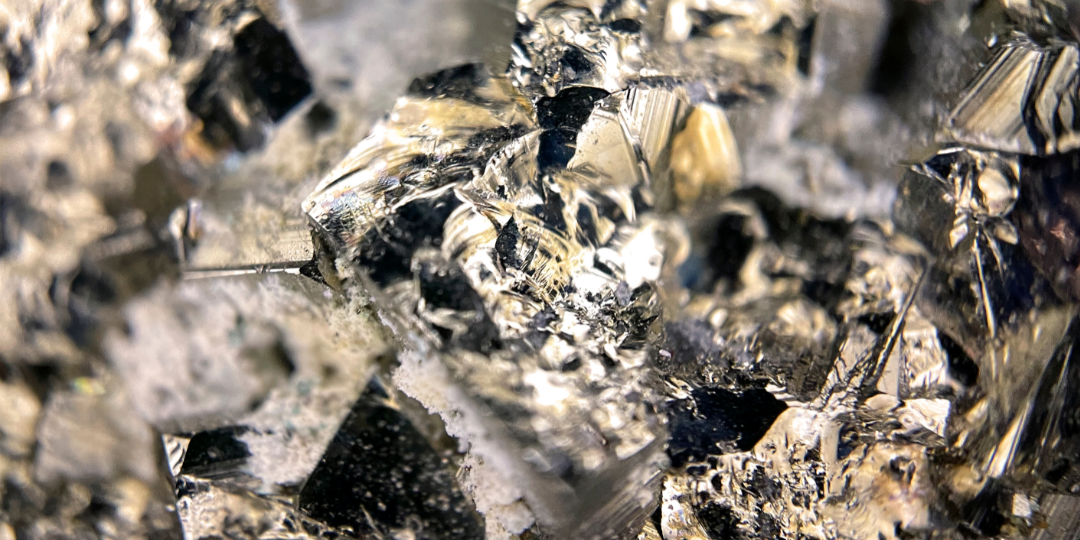
Pure antimony: its role in solders, Babbitt metal and automotive batteries
Antimony isn’t usually the most talked-about metal, but it’s present in critical applications ranging from industrial welding to the battery that starts your car every morning. Its ability to harden alloys, resist friction, and behave stably in electrochemical cycles makes it a difficult component to replace in several industries.
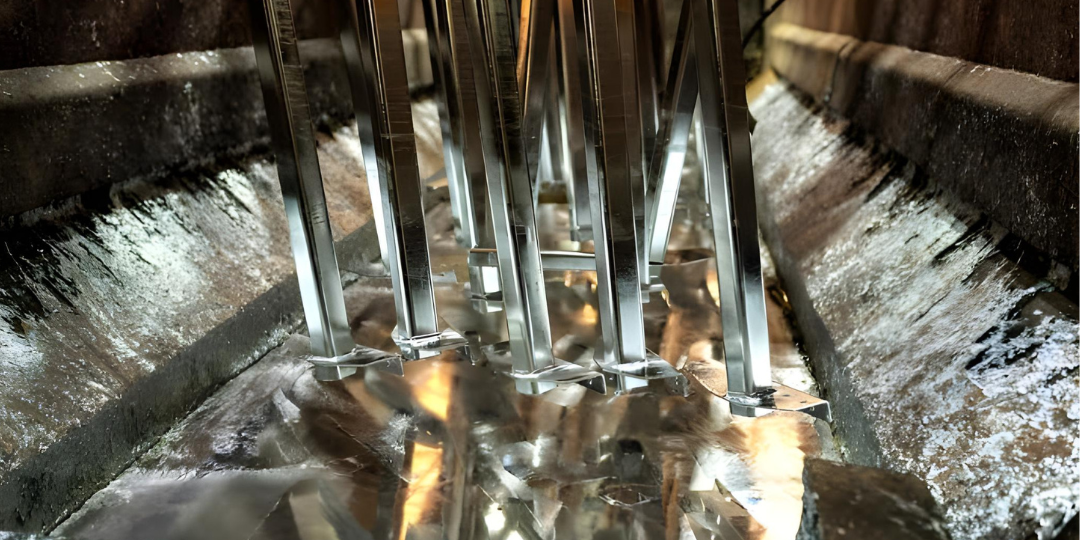
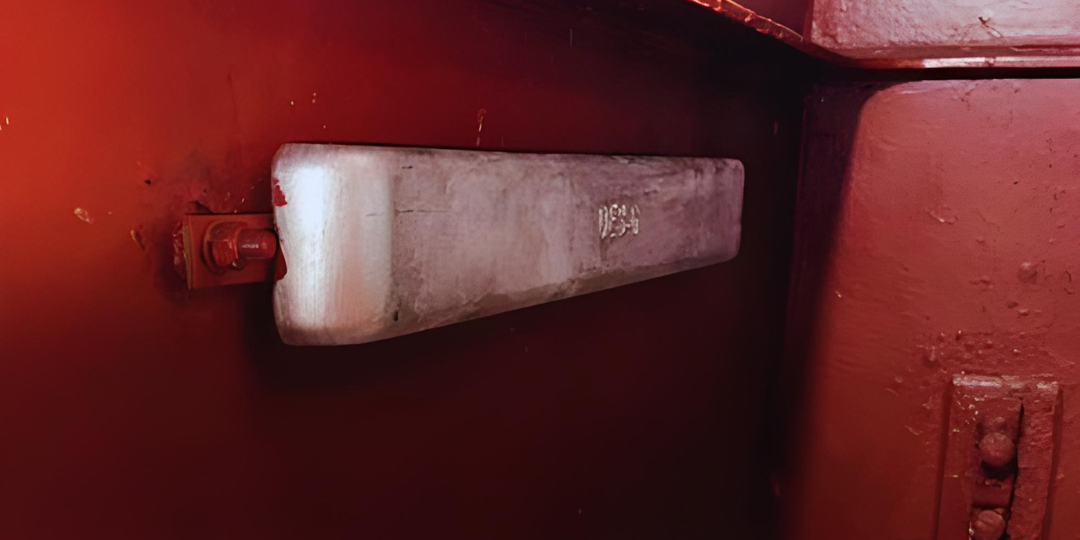
Common mistakes in the installation and maintenance of sacrificial anodes
Purchasing the correct sacrificial anodes is only half the battle. Many cathodic protection failures attributed to “poor quality material” are actually the result of installation or maintenance errors that prevent the anode from fulfilling its function.
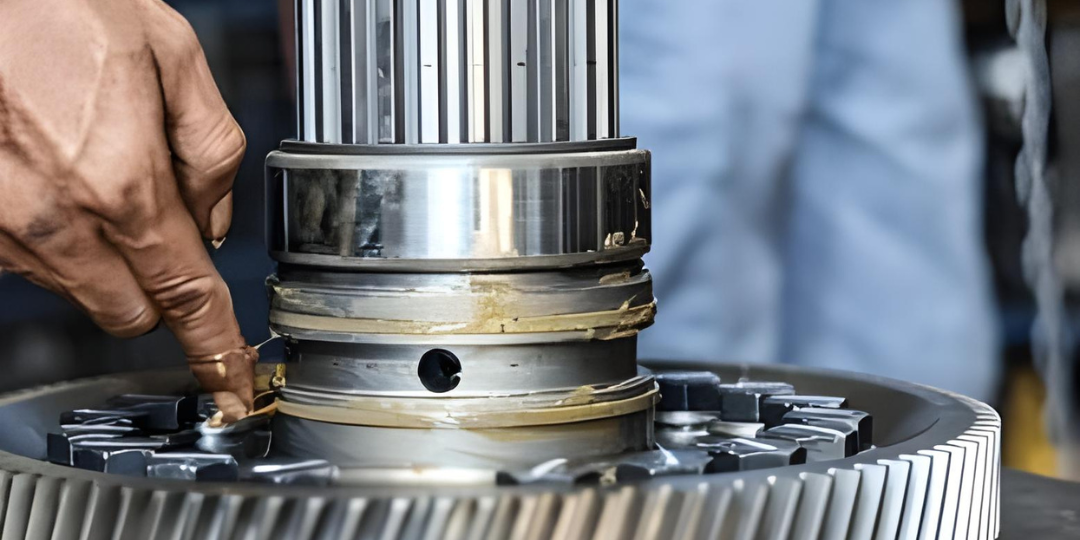
Babbitt: the key alloy for protecting shafts and heavy industrial machinery
In cement, sugar, paper, mining, or power generation plants, a bearing failure is rarely an isolated problem: it halts entire production lines. These industries operate large rotating equipment—turbines, mills, high-power electric motors, centrifugal pumps, gearboxes—that run continuously under demanding loads, often 24 hours a day.
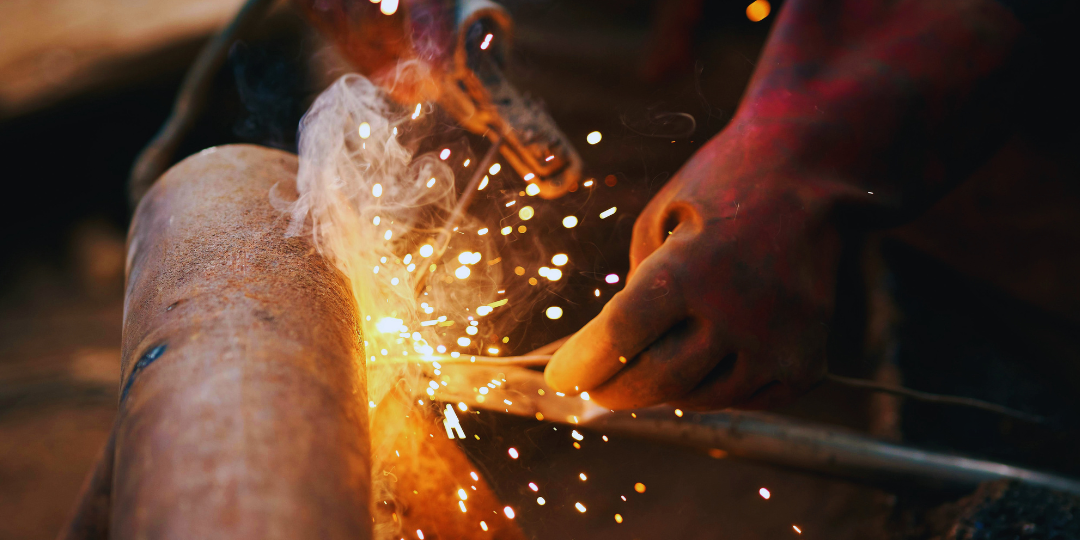
How to choose the right tin solder according to the industrial application
The quality of a tin solder joint depends on several factors, including the base material, working conditions, and the type of alloy used. Choosing the right tin solder not only influences the strength and durability of the joint but also the efficiency of the process and the quality of the final product.
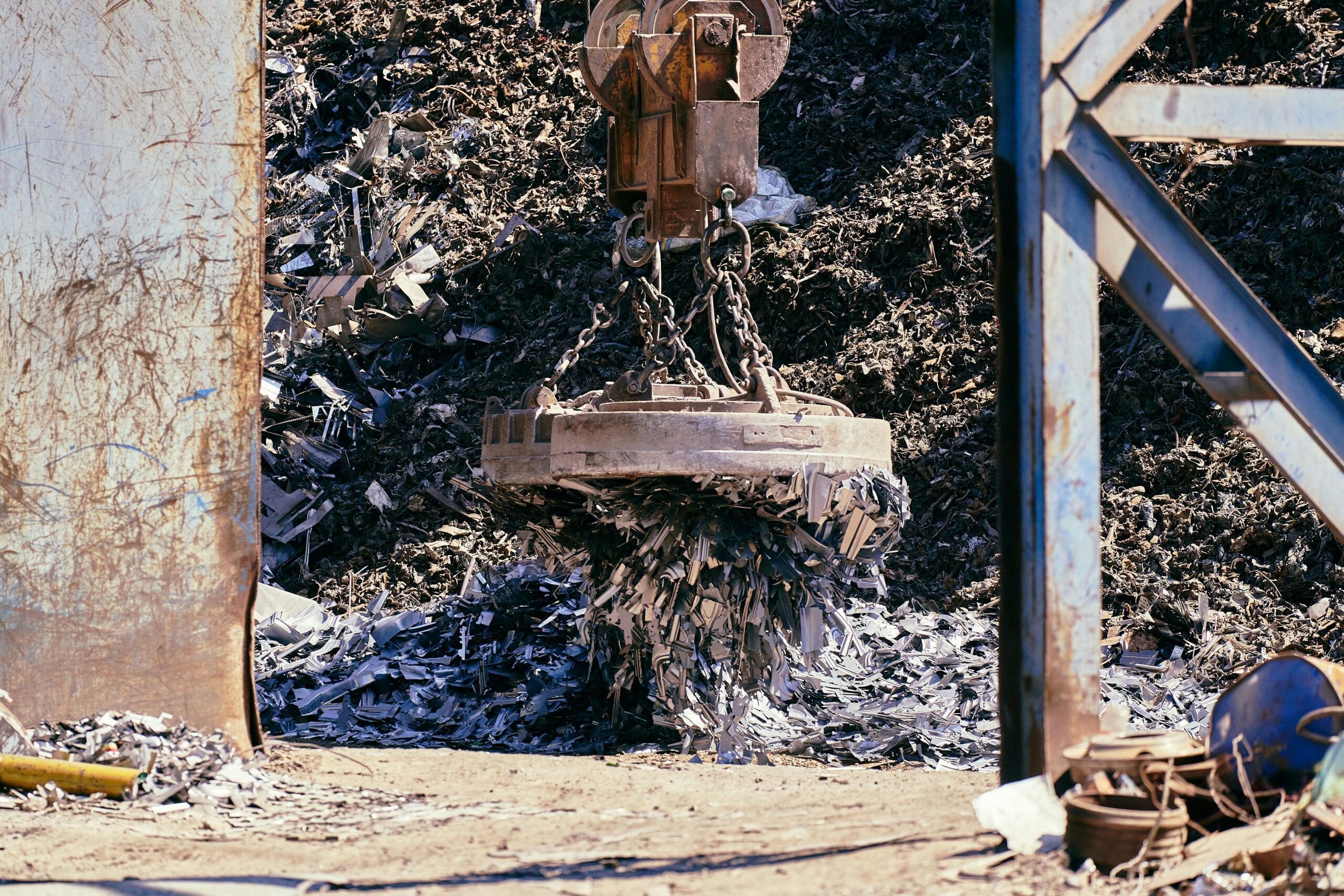
How sustainability is transforming the metalworking industry
Sustainability has become an increasingly relevant topic within the metallurgical industry. However, today this concept goes far beyond environmental impact.
Zamak: what it is and how it optimizes industrial manufacturing from mold to final part
Zamak enhances industrial manufacturing by enabling precise, cost-efficient production with excellent surface finishes, from mold design to final part.
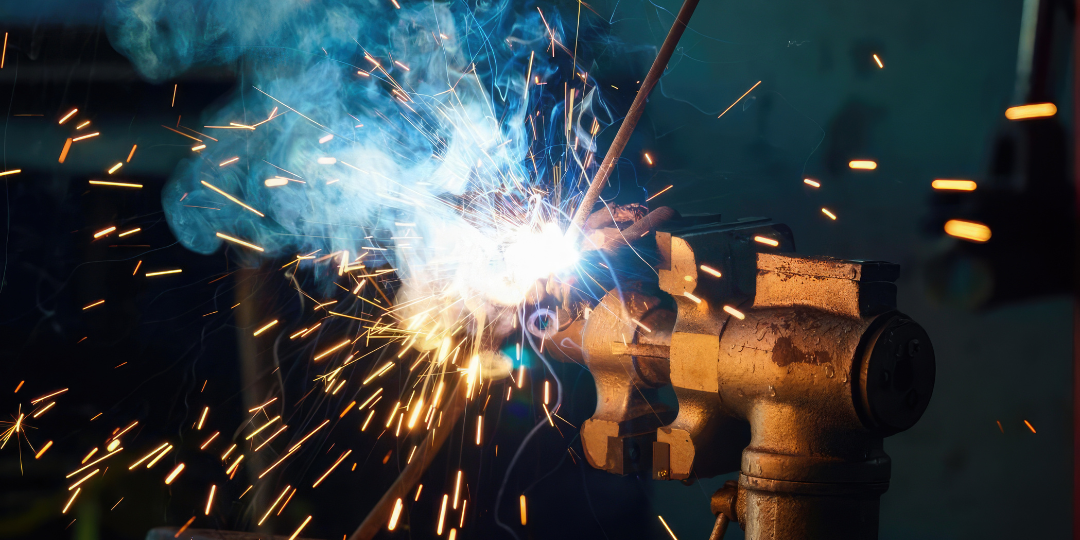
The Future of Soldering and Non-Ferrous Metals: Innovation and Sustainability in the Industry
Would you like to learn about the latest innovations in welding and non-ferrous metals? Discover how sustainability and technology are transforming the industry. Read this article and take your processes to the next level!